

KMP Carpentry & Joinery Blog
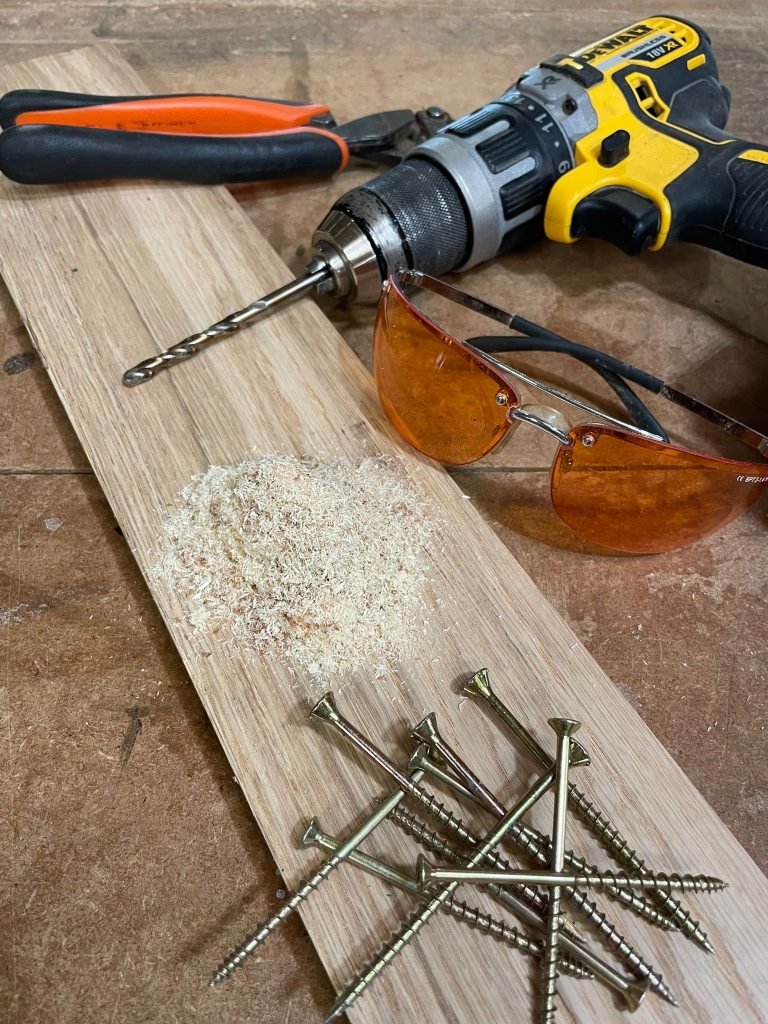
KMP Journal: Bespoke Joinery Stories & Home Inspiration
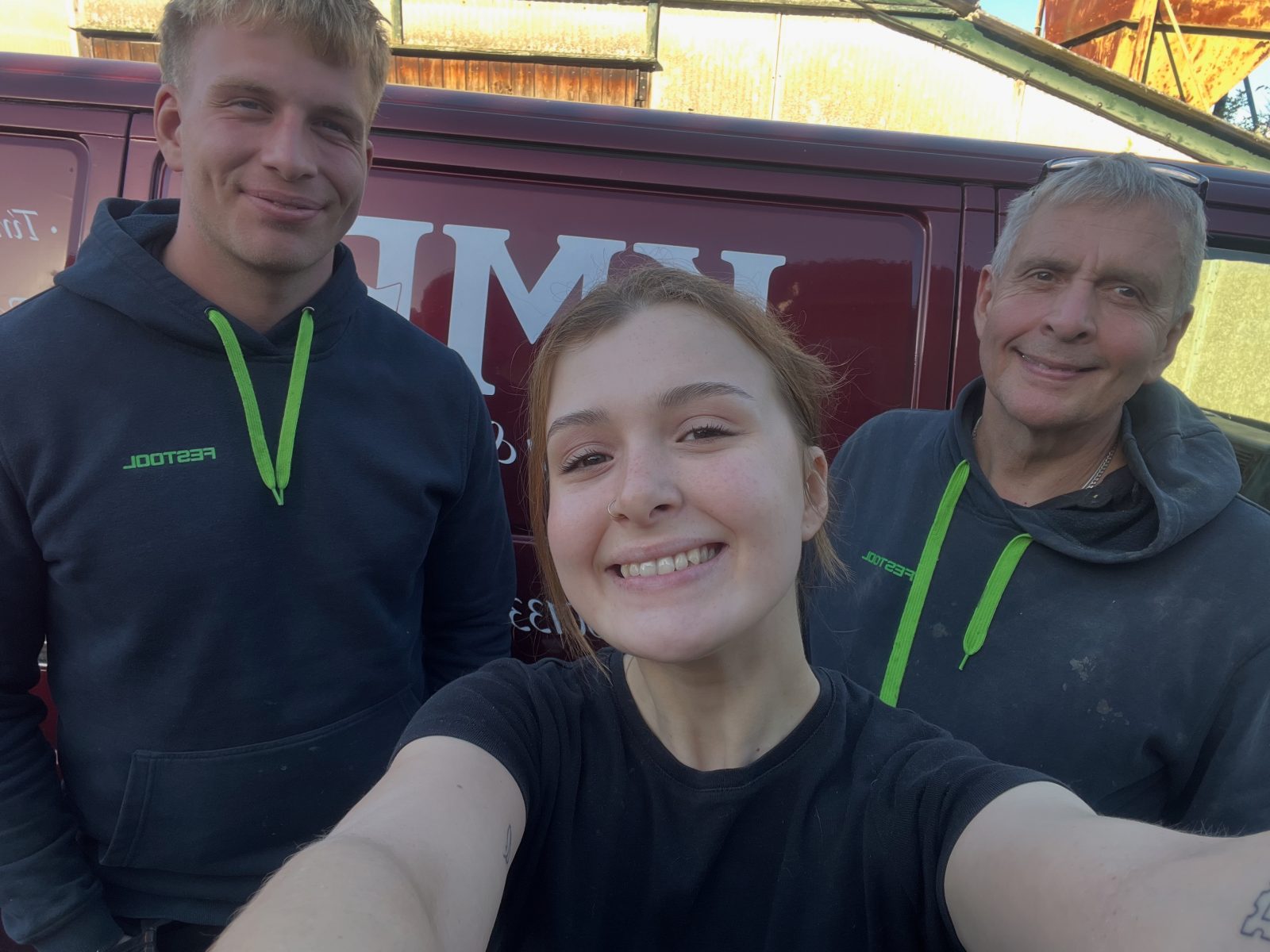
Welcome to the KMP Journal, where we share joinery projects and workshop updates from our family-run team in Cambridgeshire.
Here you will find a mix of real project work, practical advice and behind-the-scenes content, from bespoke joinery and timber builds to commercial fit-outs and heritage joinery.
If you are interested in how things are made, planning a project or simply want to see what is happening in the workshop, this is where we share it.
Want to see our latest projects first?
Follow us on our socials for updates from the workshop and craftsmanship stories.

Explore Our Blog Categories:
Discover joinery insights, project inspiration and workshop stories across our main blog categories. From recent bespoke builds to behind-the-scenes content.
Our Latest Blog Posts:

Planning a Commercial Fit-Out: What to Consider Before Work Begins
A successful commercial fit-out starts long before work begins on site. Whether you are updating an office, fitting out a shop or improving another commercial space, there are plenty of practical decisions to make before materials are ordered or work is scheduled. Good commercial fit-out planning starts with… Read more

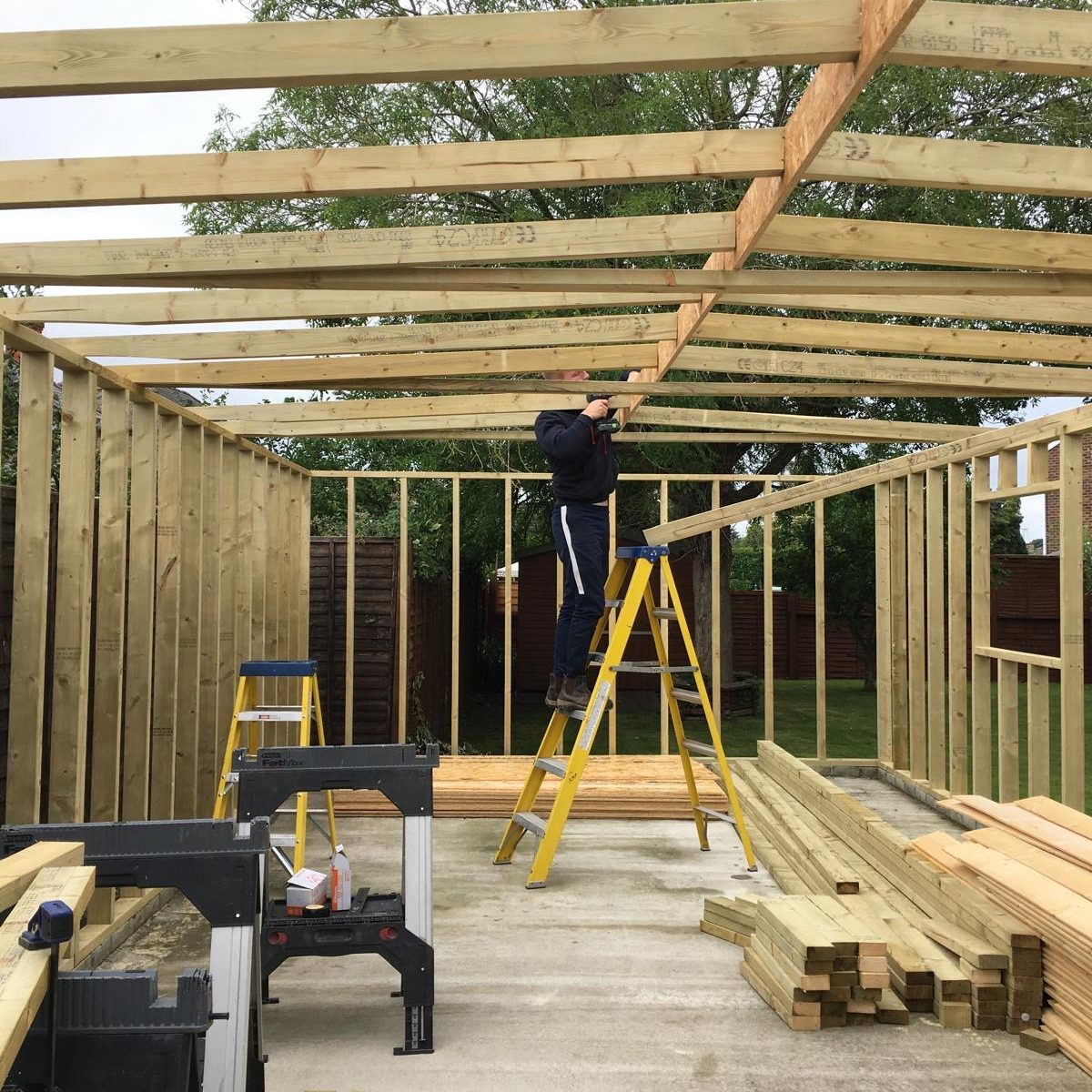
Timber Frame Extensions: What to Expect from Start to Finish
A timber frame extension is one of the quickest and most efficient ways to add extra space to your home. Whether you are planning a larger kitchen, an open-plan living area or an additional room, timber frame construction offers a strong, energy-efficient solution that can be finished to… Read more
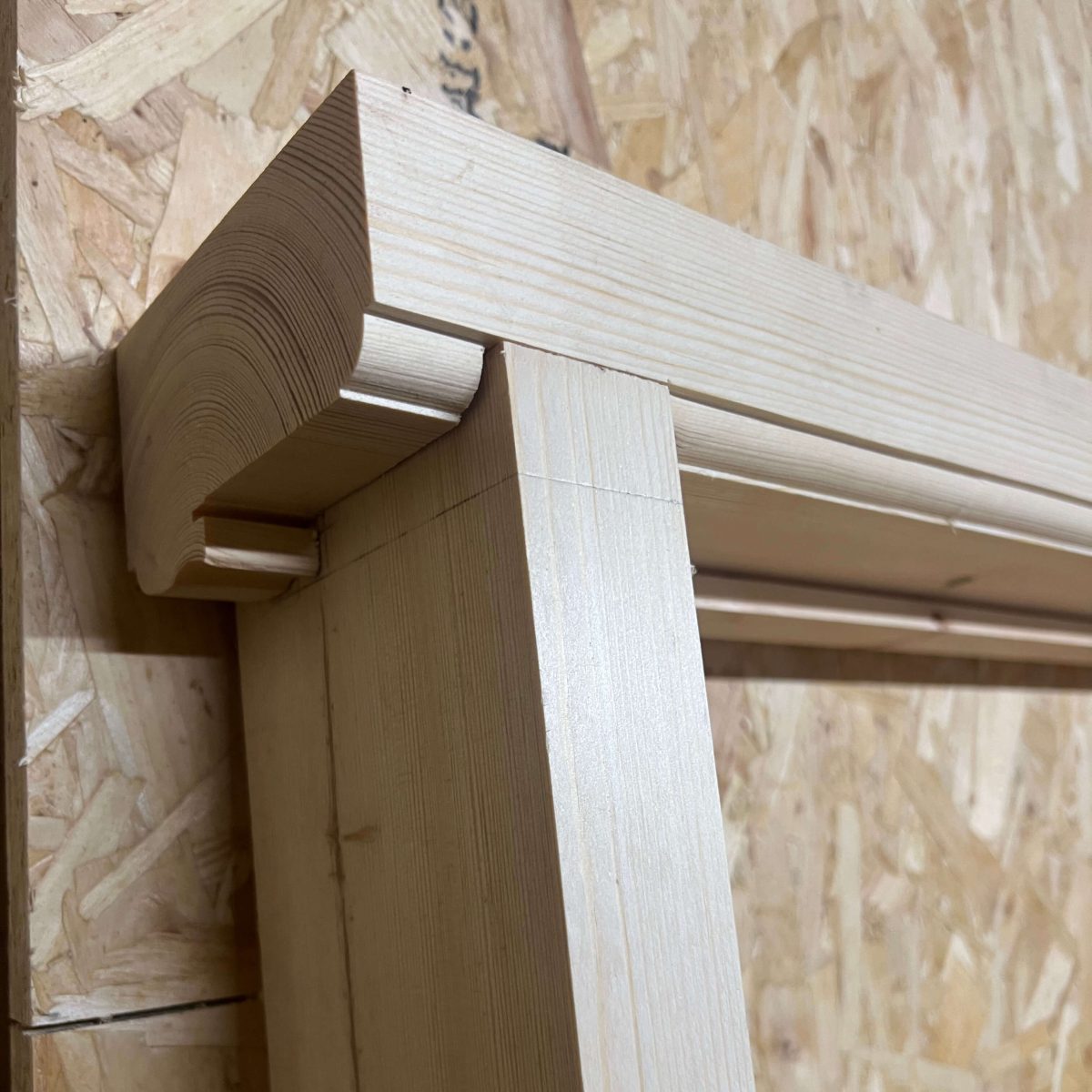
Should You Repair or Replace Timber Windows?
Timber windows can last for decades when you look after them properly. Unlike many modern alternatives, they can often be repaired instead of replaced. However, no window lasts forever. Over time, weather, age and previous repairs can all affect its condition. So, should you repair or replace timber… Read more

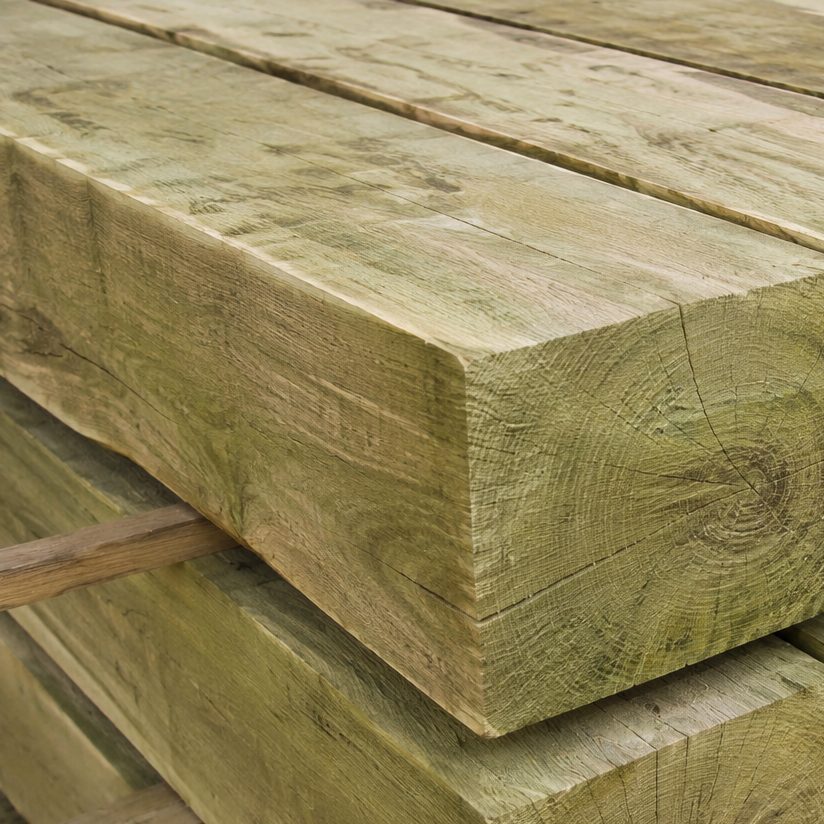
What Is Green Oak? Benefits, Uses and What to Expect
Green oak has been used in structural timber construction for centuries. From traditional timber-framed buildings and churches to modern oak porches and garden structures, green oak timber remains one of the most respected building materials available. Despite its popularity, many homeowners are surprised to learn that green oak… Read more
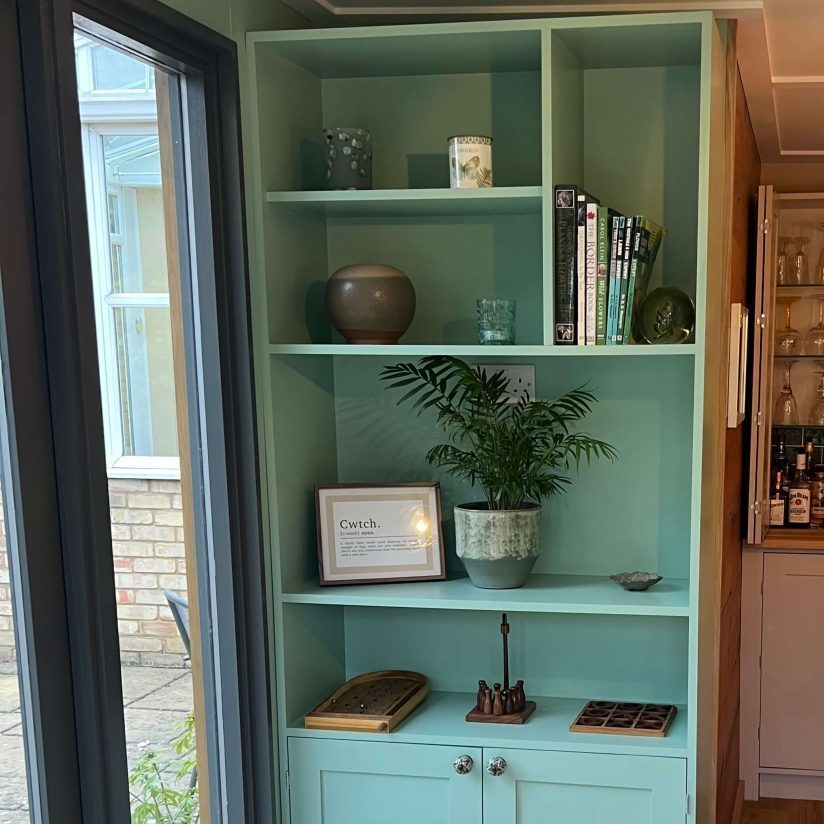
The Complete Guide to Bespoke Fitted Furniture & Storage for Your Home
Make Every Inch of Your Home Work Harder Whether it is an awkward alcove, an empty space beneath the stairs or a spare room that needs to become a home office, bespoke fitted furniture can completely transform the way your home works. Unlike freestanding furniture, made-to-measure furniture fits… Read more
Why Traditional Joinery Still Matters in Modern Homes
Modern homes look very different from those built even a generation ago. Open-plan layouts, integrated lighting and clean architectural lines are now common in contemporary design. However, while styles have evolved, the principles behind good joinery craftsmanship have not. In fact, traditional joinery in modern homes matters more… Read more
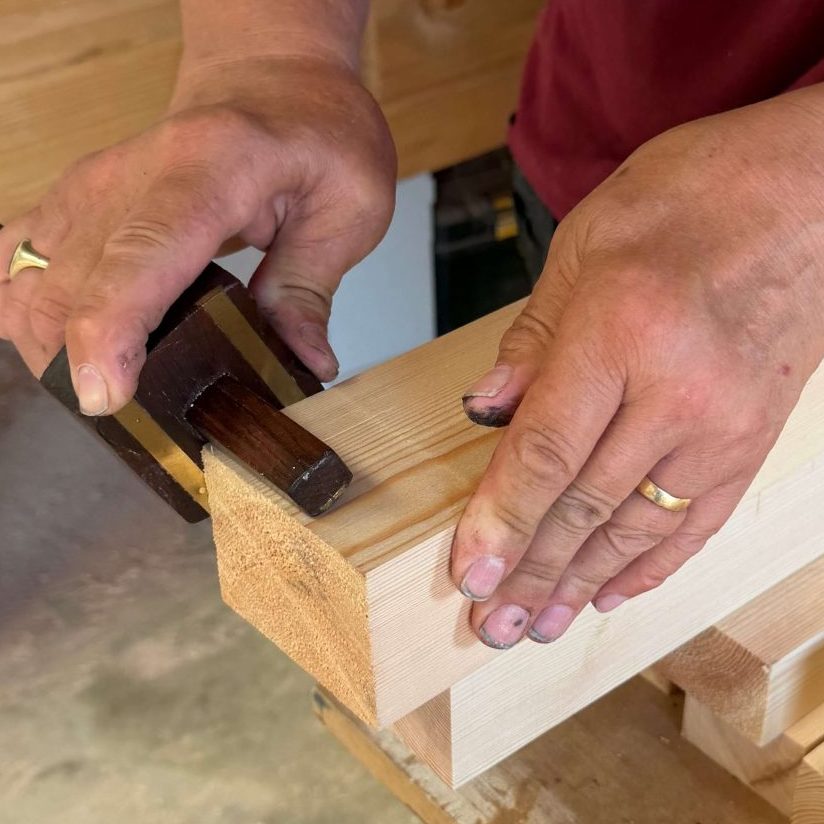
About KMP Carpentry & Joinery
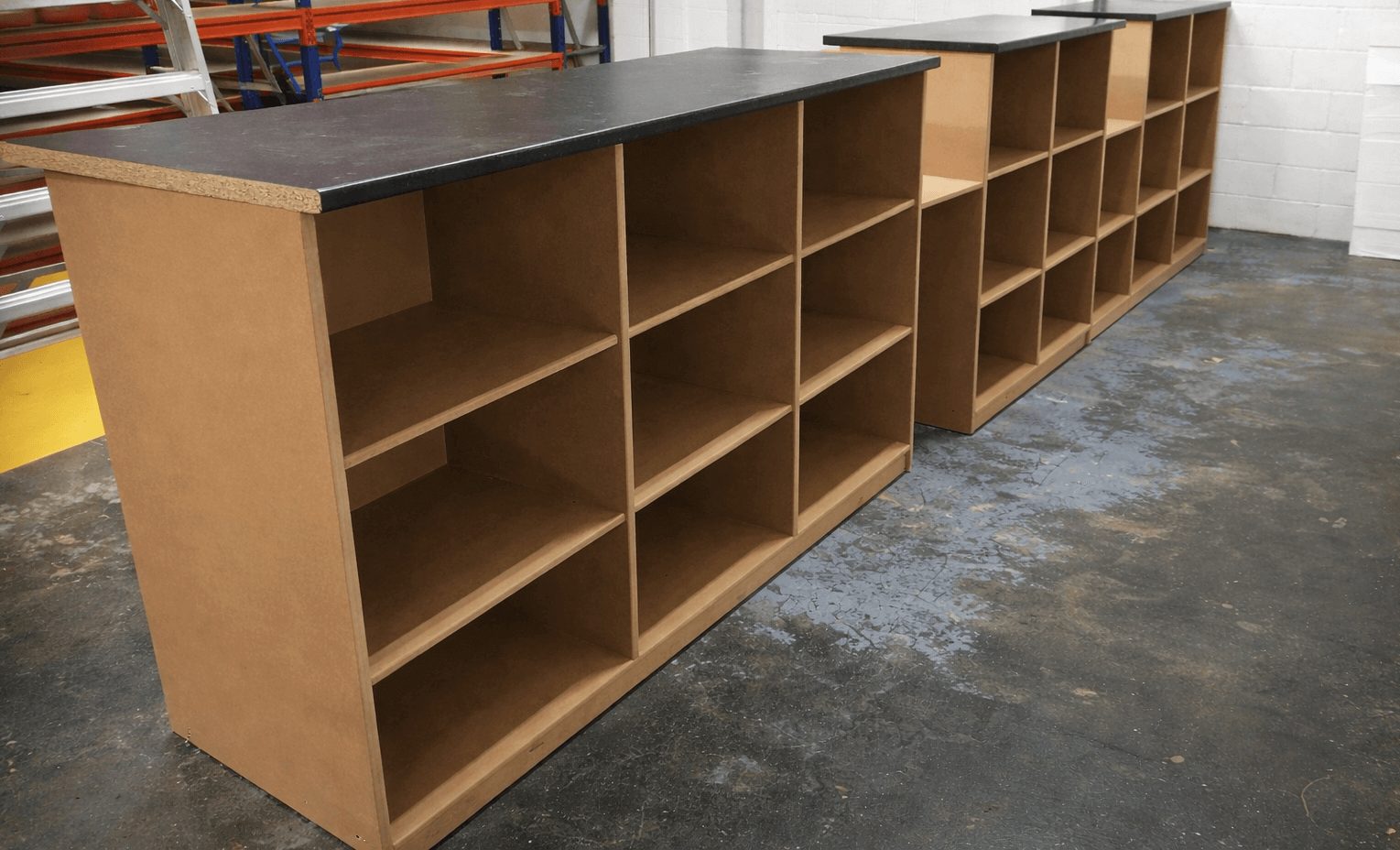
We are a family-run joinery workshop based in Cambridgeshire, specialising in bespoke woodwork, timber framing and heritage joinery. Follow our journey for project updates, design ideas and insights into quality craftsmanship.
To find out more about how we started, visit our About page.
If you are interested in our work you can explore our Residential Carpentry & Joinery, Commercial Joinery, Timber Frame Construction and Traditional & Heritage Joinery services.