

A Practical Guide from Our Cambridgeshire Joinery Workshop
Most people are not sure when CNC machining is actually the right choice. So, in this guide, we break down when CNC wood cutting adds real value to a project, and when it might not be needed at all.
What Is CNC Machining for Wood?
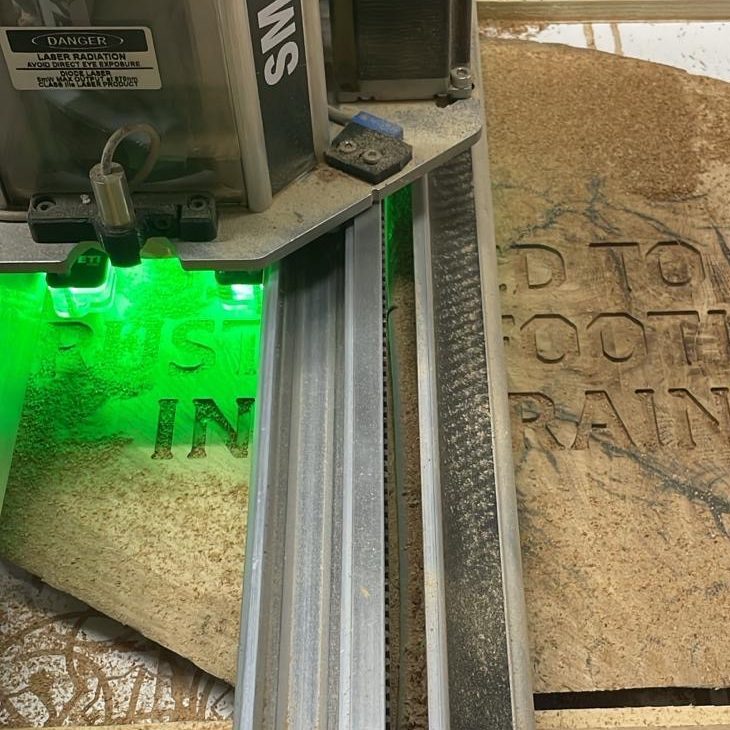
CNC machining uses a computer-controlled router to cut and shape timber with a high level of accuracy. In wood projects, it is commonly used for shaping components, cutting panels, engraving details and producing repeat parts.
It is not a replacement for traditional joinery. Instead, it works alongside it where precision and consistency matter. Understanding the difference helps you make better decisions about your project from the start.
When CNC Machining Is the Right Choice
1. When you need repeat components
One of the biggest advantages of CNC machining for timber projects is consistency. If your project involves multiple identical parts, CNC ensures every piece matches the same specification. Instead of measuring and cutting each part by hand, everything is produced to a consistent standard automatically.
This is especially useful for furniture components, joinery parts and batch production runs.
2. When accuracy matters
CNC wood cutting also becomes valuable when tight tolerances are involved. It provides a level of precision that is very difficult to achieve by hand. So, if your project includes precise cut-outs, detailed joinery or components that need to fit together exactly, CNC is often the right tool.
3. When the design is complex
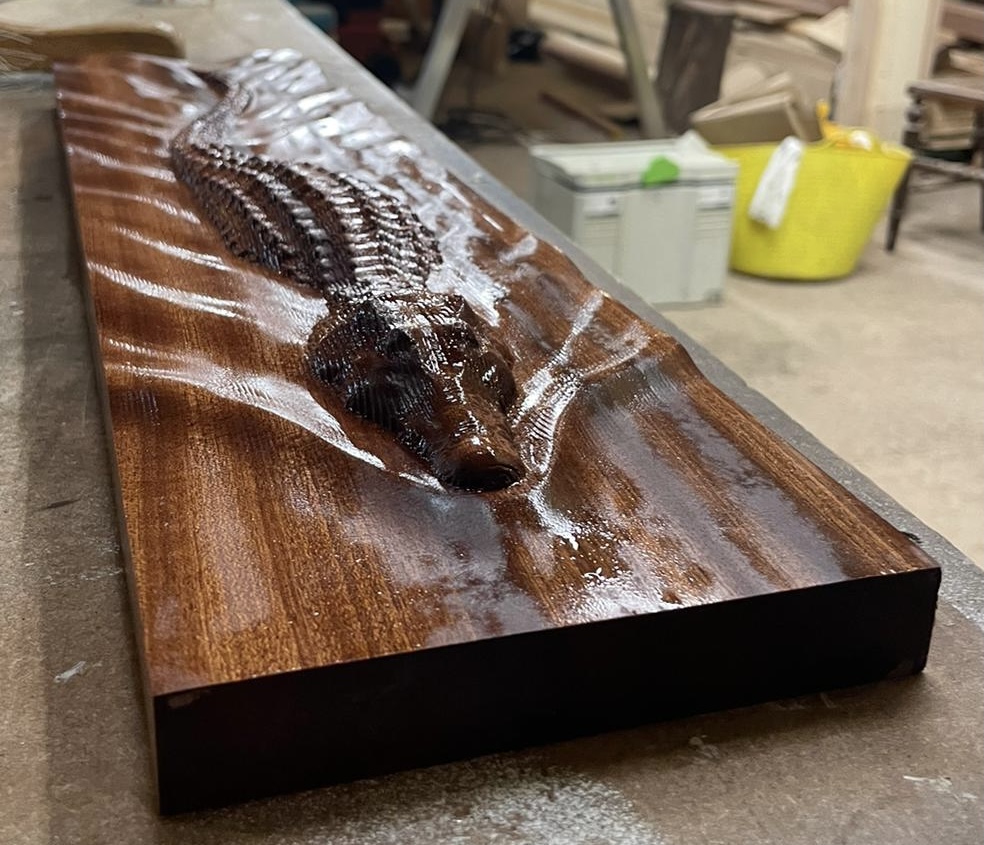
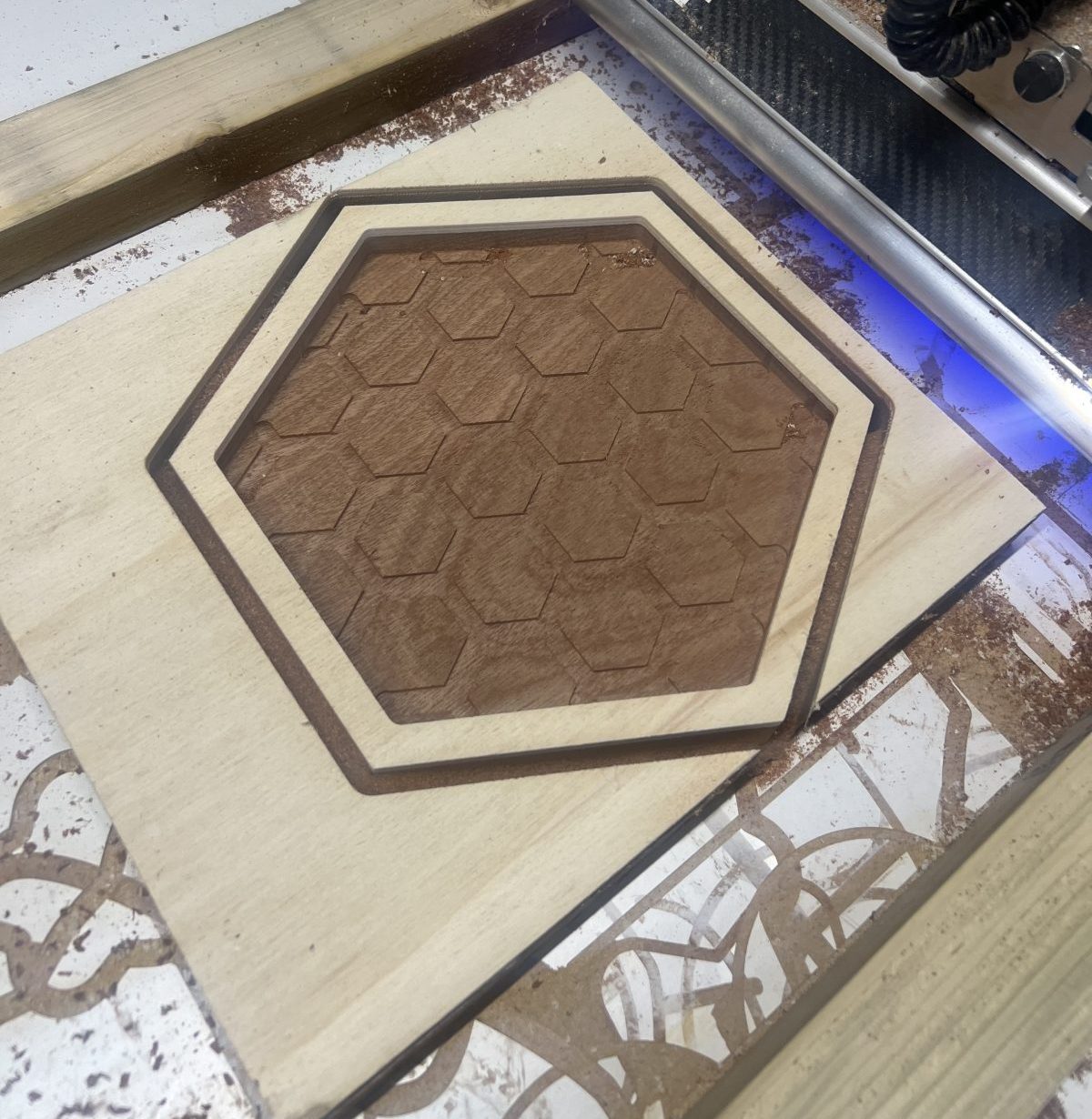
CNC routing for woodwork is particularly well suited to designs that would be time-consuming or impractical to produce manually. For example, curved profiles, intricate patterns and detailed routing all benefit from the control that CNC provides.
4. When you are developing a prototype
CNC is also a useful tool during the development stage of a project. If you are working on a new idea or product, it allows you to test sizing, proportions and fit before committing to a full production run. As a result, it reduces risk and saves time further down the line.
When CNC Machining Might Not Be Necessary
CNC is not always the best option. In some cases, traditional joinery is more practical.
For simple one-off cuts or straightforward joinery, CNC can add unnecessary setup time. Standard workshop techniques are often quicker and more cost-effective in those situations. There are also projects where hand finishing and traditional craftsmanship are the priority. In those cases, conventional methods tend to give a better result.
Overall, if precision, repeatability or complex shaping is not a key requirement, CNC may not add much value to your project.
Can CNC Be Used for One-Off Projects?
Yes, and this is something people often get wrong.
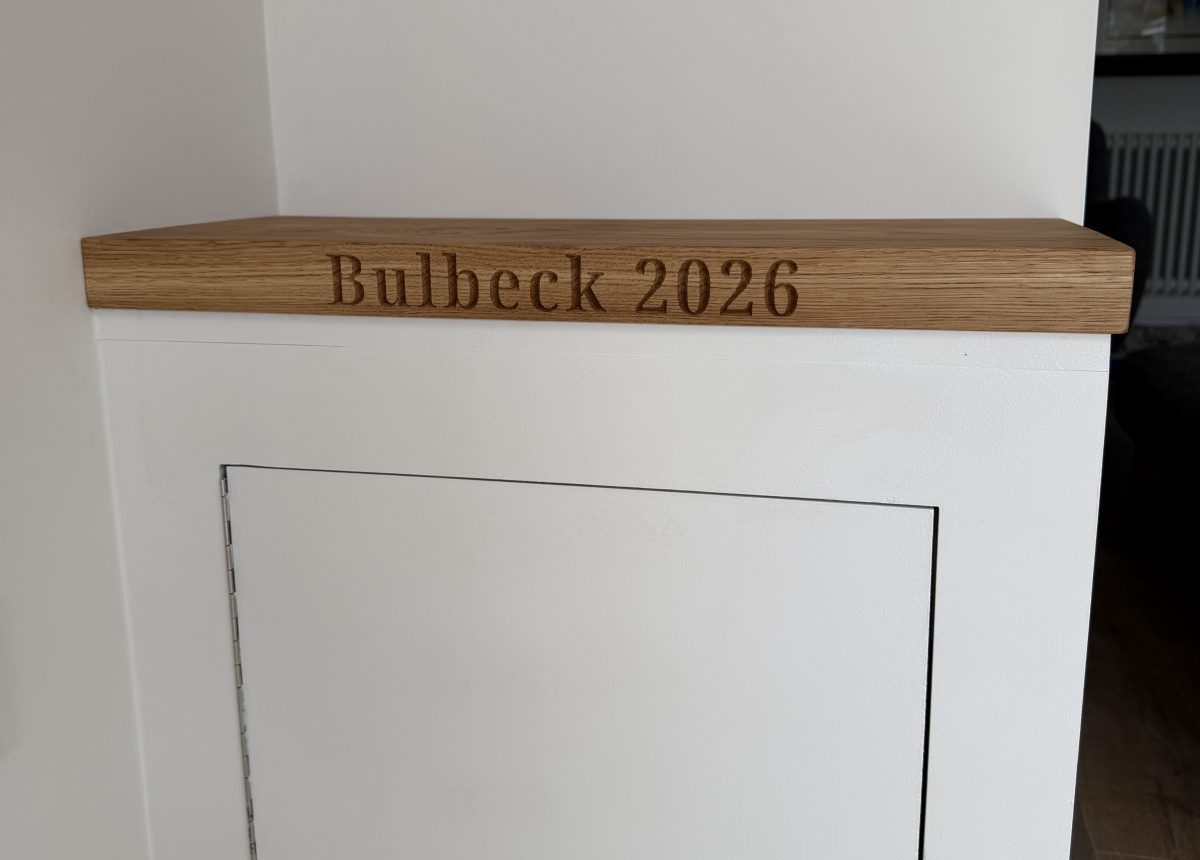
CNC machining for one-off projects is very much an option, especially where the design involves shaping, accuracy or detailed features. A single bespoke panel, a custom component or a decorative feature can still benefit from CNC if it improves the overall result. So, do not assume CNC is only for large production runs.

CNC Machining for Homeowners vs Trade Clients
CNC machining is used differently depending on the type of project.
For homeowners, it is often part of a bespoke build. This might include custom storage, decorative panels, engraved features or elements that need to fit a very specific space. For trade and commercial clients, it is more commonly used for repeat components, joinery parts or small batch production. In these cases, consistency and efficiency are the priority.
Both approaches are valid. The right one depends on what the project actually needs. You can check out our portfolio for examples of our recent CNC projects, including a live edge oak plaque engraving.
When Should You Use CNC Machining?
In simple terms, CNC machining is worth using when your project involves:
- cabinetry and furniture components
- custom panels and decorative features
- signage and engraved details
- parts for commercial fit-outs
- repeat components for larger projects
In many cases, it supports both residential and commercial work by improving accuracy and reducing production time. If your project is straightforward or heavily focused on traditional craftsmanship, it may not be necessary. However, if you are unsure, it is always worth asking.
Not Sure If CNC Is Right for Your Project?
If you are not sure whether CNC machining is the best approach, just get in touch. You can send drawings, CAD files, sketches or even just an idea and we will help you decide on the best way forward.
You can also find out more about our CNC machining services or contact us to talk through your project.
Leave a Reply