

Green oak has been used in structural timber construction for centuries. From traditional timber-framed buildings and churches to modern oak porches and garden structures, green oak timber remains one of the most respected building materials available. Despite its popularity, many homeowners are surprised to learn that green oak is not a specific type of oak at all. Instead, the term refers to the condition of the timber when it is used.
If you are considering a green oak structure or a larger timber-framed building, understanding what green oak is and how it behaves will help you make the right decision for your project.
What Is Green Oak?
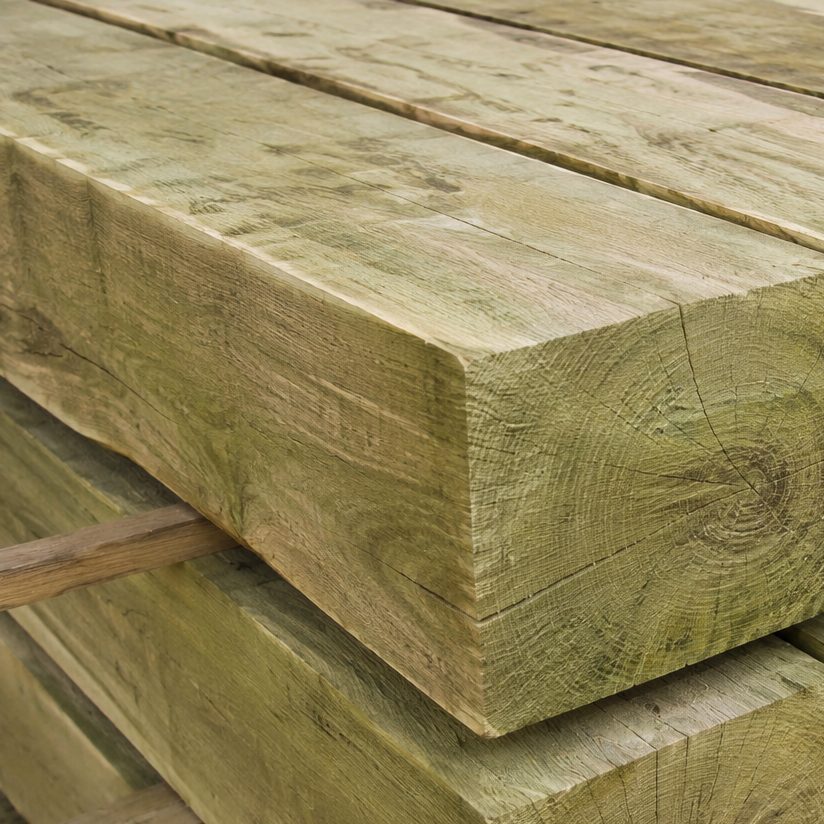
Green oak is freshly sawn oak timber that has not been kiln dried. It retains much of its natural moisture content. This means it behaves differently to fully seasoned timber. For centuries, carpenters and joiners have used green oak in structural timber framing. It is easier to work with than dried oak while still providing exceptional strength and durability.
As the timber dries over time, it develops the character and appearance that many people associate with traditional oak frame buildings and heritage structures. This natural process is one of the reasons green oak framing remains popular for garages, oak frames and a wide range of structural timber projects.
Why Use Green Oak? The Key Benefits
Green oak offers strength, durability and character that is difficult to replicate with other materials. Unlike many modern building products, green oak timber develops its appearance over time. Rather than deteriorating, it matures naturally and often becomes more attractive as the years pass.
The benefits of green oak include:
- Exceptional structural strength — green oak beams and frames have supported buildings for hundreds of years.
- A traditional, distinctive appearance — the material develops natural character as it dries and ages.
- Long-term durability — oak contains natural tannins that resist decay and insect attack.
- Natural texture and character — checks and grain patterns are part of its appeal, not a flaw.
- Sustainability — when responsibly sourced, green oak timber is a genuinely renewable material.
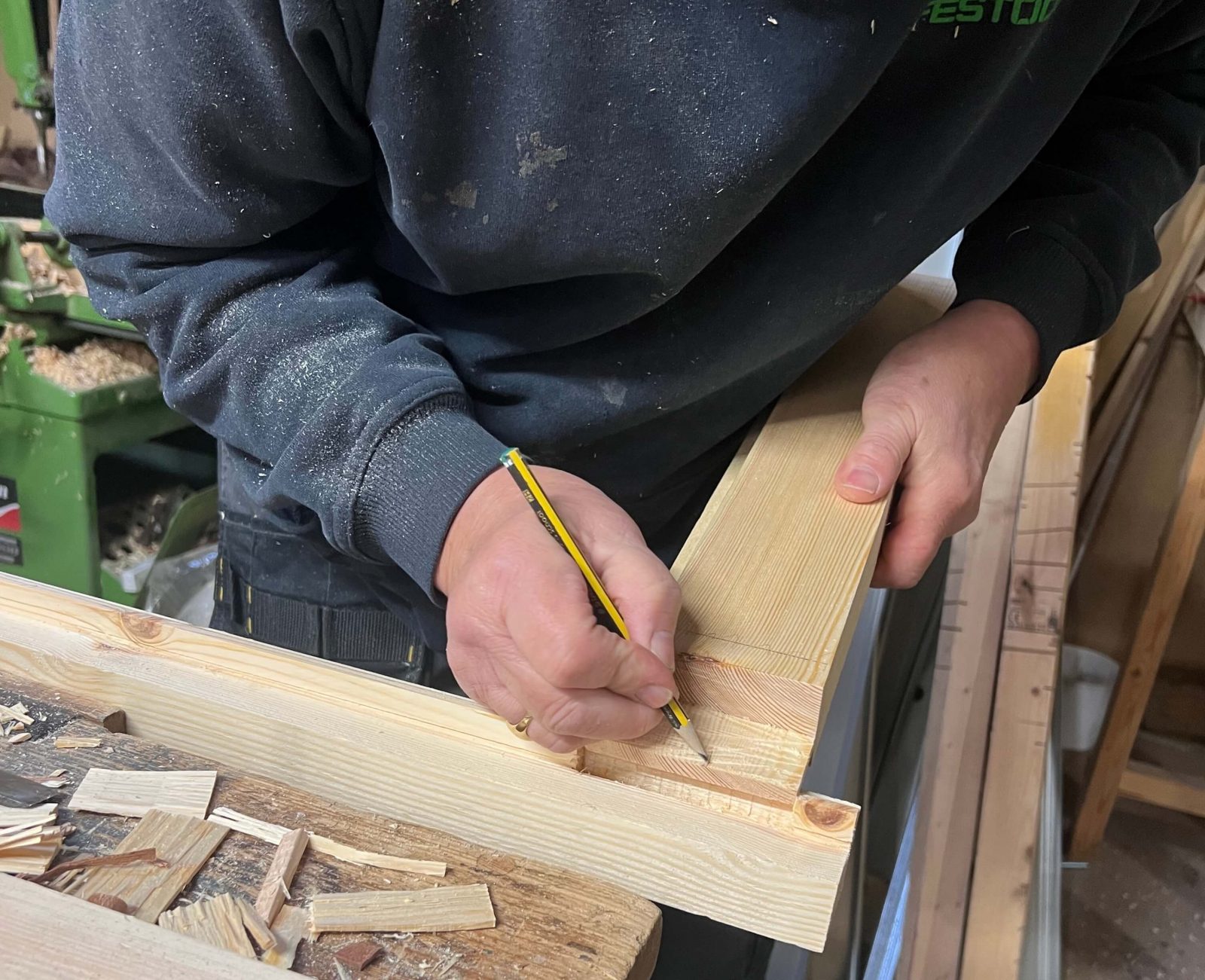
- Compatibility with traditional joinery techniques — mortise-and-tenon joints have been used with green oak for centuries and remain the preferred method today.
Many historic timber-framed buildings across the UK still contain original oak structures that have been standing for hundreds of years. They are a clear demonstration of what well-built green oak structures can achieve.
Does Green Oak Crack and Twist?
One of the most common questions people ask about green oak timber is whether it cracks. The simple answer is yes.
As green oak dries, it naturally shrinks and moves. This often results in visible surface cracks, known as checks. These are a completely normal part of the drying process. While these cracks can look dramatic, they rarely affect the structural performance of the timber. They are widely considered part of the character of a traditional oak frame. They show that the material is natural, honest and has been used correctly.
Green oak can also move as it dries. This is why traditional oak framing techniques have evolved over centuries to accommodate natural timber movement. When designed and built correctly, this movement is expected and planned for from the very beginning.
How Long Does Green Oak Last?
Green oak is well known for its longevity. When properly detailed and protected from standing water, green oak structures can last for generations. Many historic buildings throughout Britain still rely on original oak frames that have remained structurally sound for hundreds of years.
Oak contains natural tannins that resist decay and insect attack. Combined with good design and craftsmanship, this makes green oak timber one of the most durable structural materials available. For homeowners and businesses looking for a long-term investment, this durability is often green oak’s most compelling advantage.
Where Is Green Oak Commonly Used?
Green oak timber can be used across a wide range of structural and architectural projects. This includes everything from residential additions through to commercial and contractor-led builds.
Entrance Porches
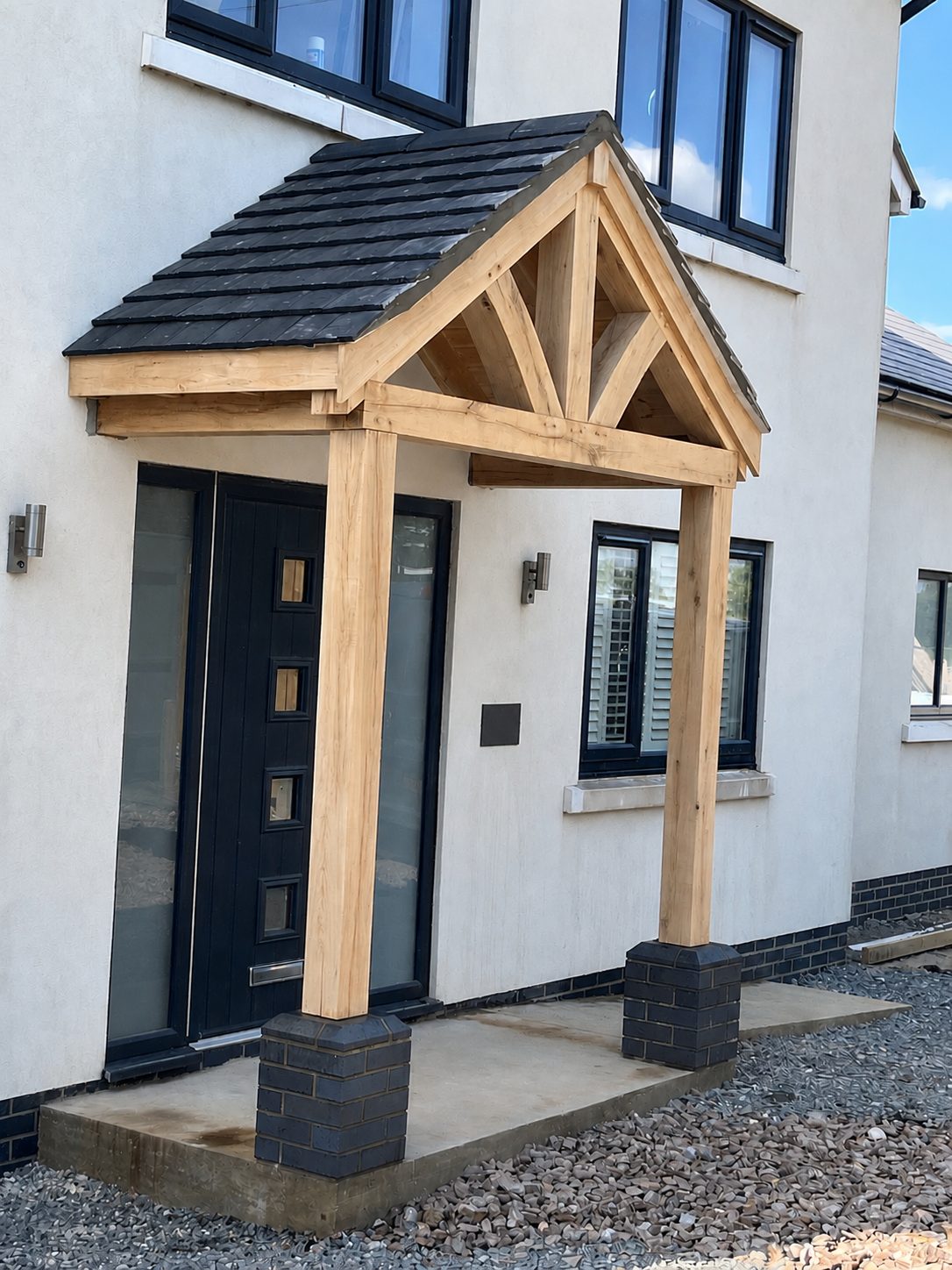
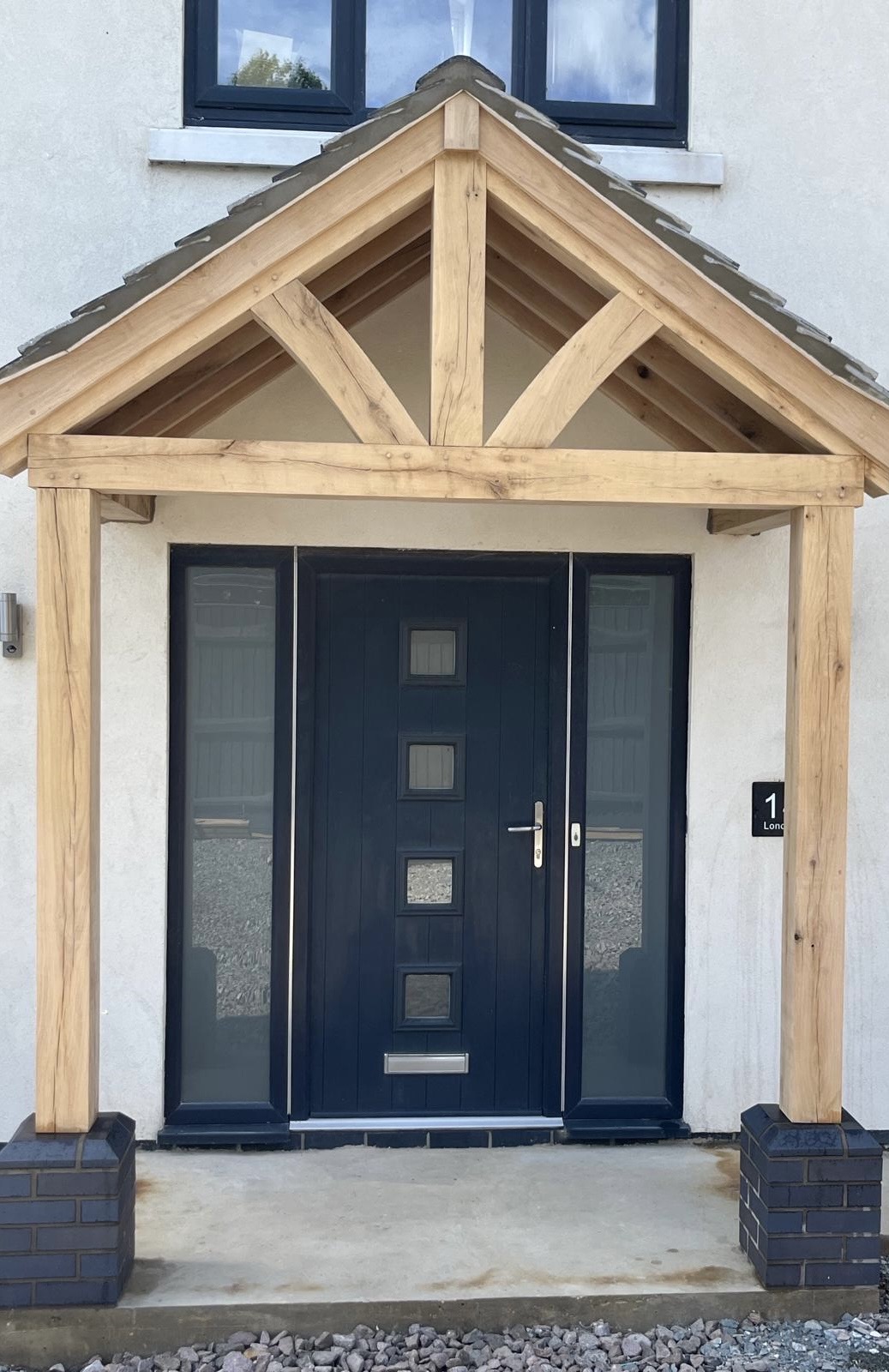
One of the most popular uses of green oak is creating a bespoke entrance feature for a home. The material’s natural warmth and structural properties make it well suited to handcrafted porch structures that feel substantial and permanent. Traditional mortise-and-tenon joinery allows the structure to move naturally over time while keeping its strength. If you are thinking about adding an entrance porch to your home, take a look at our oak porch installation project.
Garages and Outbuildings
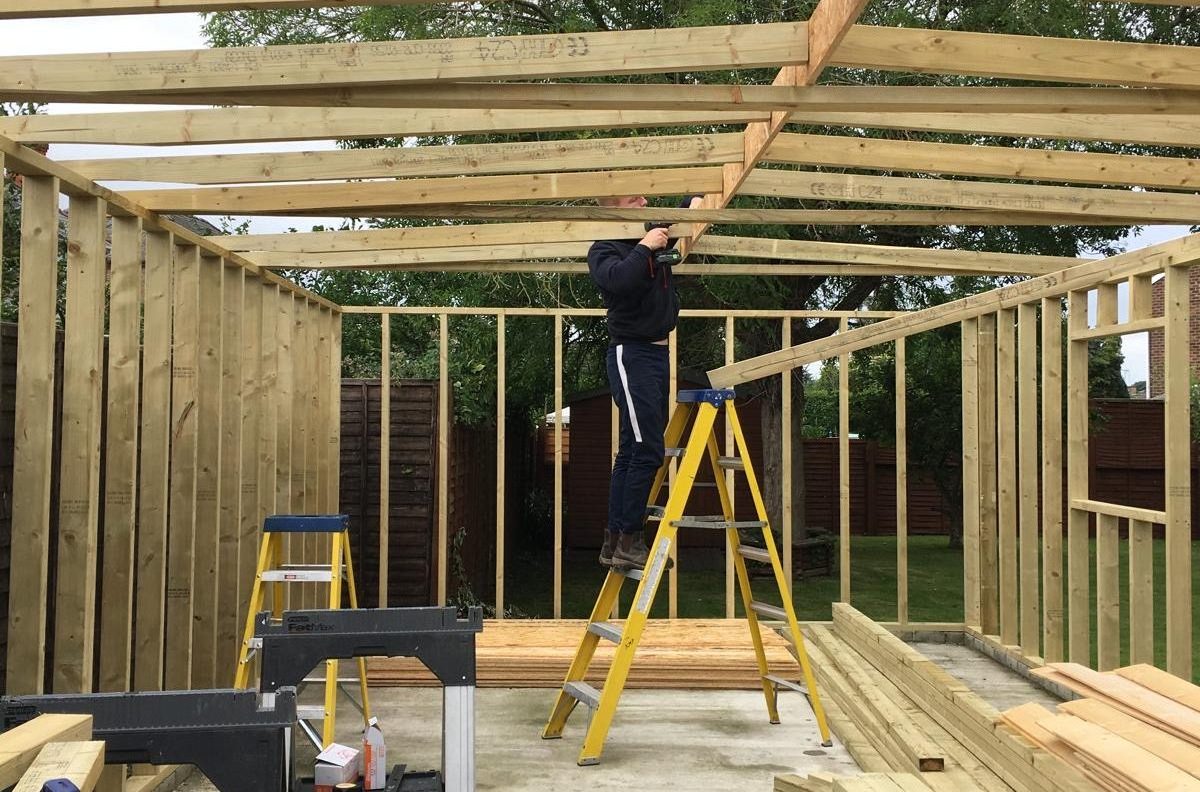
Green oak is often used for garages and outbuildings where structural performance and appearance both matter. The exposed frame creates a striking architectural feature while providing a robust structure that will perform well for decades.
Timber Frame Extensions and Larger Structures
Green oak framing is a natural choice for extensions, larger structural builds and self-build projects. It offers strength, longevity and traditional character in equal measure. Whether used in a residential extension, a refurbishment or a standalone structure, green oak provides a distinctive alternative to conventional construction methods. For more detail on how we approach this type of work, visit our timber frame construction page.
Commercial and Contractor Projects
Green oak is also well suited to commercial projects where timber construction adds character or meets a specific design brief. From hospitality venues and retail environments to larger contractor-led builds, structural oak construction can be specified and delivered as part of a wider project scope.
Garden Structures and Garden Rooms
Green oak timber is a popular choice for garden rooms, outdoor entertainment spaces and feature structures. It is a natural material that sits comfortably in its surroundings. As the timber weathers and matures, garden structures built from green oak often improve in appearance with age.
Is Green Oak Right for Every Project?
Green oak offers many advantages, but it is not always the right choice. Because the timber moves as it dries, projects must be designed with this in mind. Homeowners and clients also need to understand that visible checks and changes in appearance are part of the material’s natural character. They are not a sign of poor workmanship.
For some projects, seasoned or engineered timber products may be more suitable. The best solution will always depend on the intended use, the design requirements and the appearance you want to achieve.
Traditional Craftsmanship and Green Oak Joinery
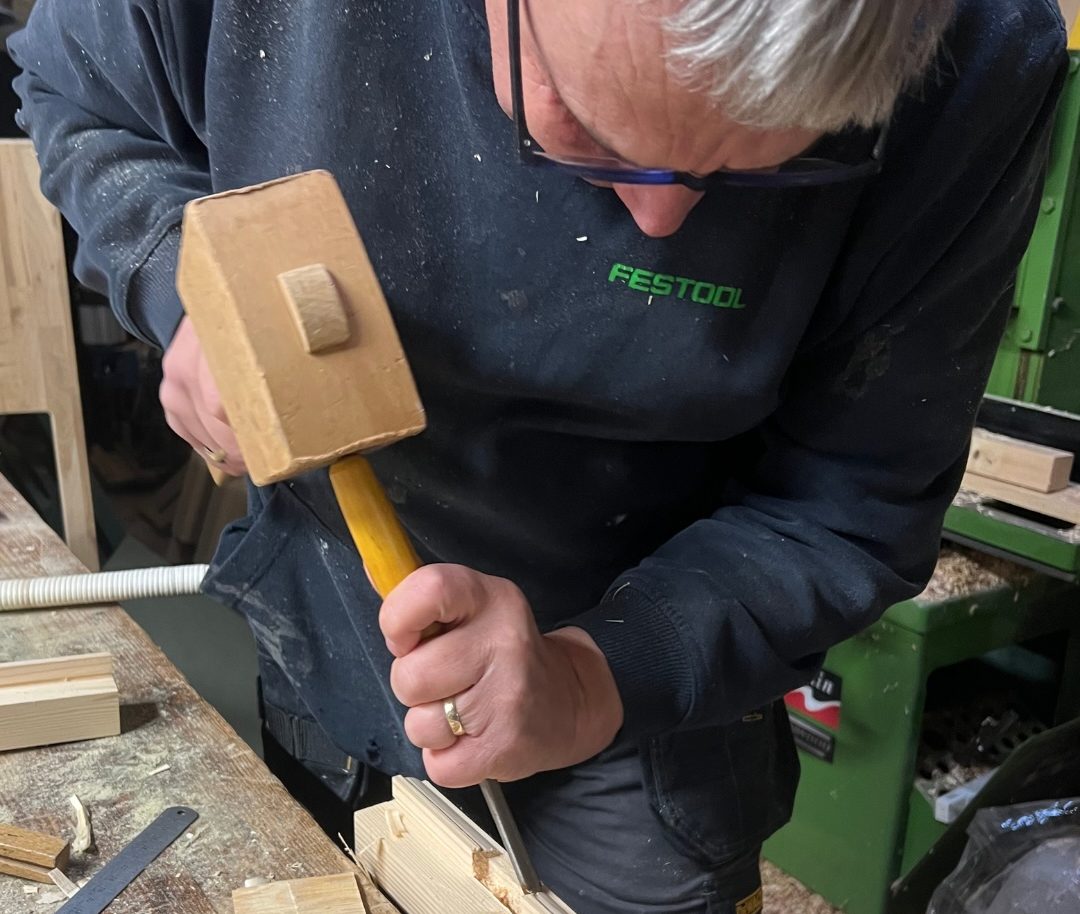
Green oak timber has remained popular for centuries because it works so well with traditional carpentry and joinery techniques. Methods such as mortise-and-tenon joints were developed long before modern fixings existed. They continue to be used today because they allow green oak structures to perform naturally as the material moves and settles. If you’d like to learn more about the traditional techniques behind this type of craftsmanship, explore our Traditional & Heritage Joinery service.
Good green oak joinery is not about fighting that movement. It is about working with the material and designing structures that will perform well for decades to come. At KMP Carpentry & Joinery, that approach guides everything we do. We combine traditional craftsmanship with over 45 years of industry experience.
Talk to Us About Your Green Oak Project
If you are considering a green oak structure, garage or timber project in Cambridgeshire or the surrounding areas, we would be happy to discuss what is involved and whether green oak is the right material for your build.
KMP Carpentry & Joinery works with residential clients, commercial clients and contractors across Cambridgeshire. We bring the same level of care and craftsmanship to every project, whatever its scale.
Leave a Reply