


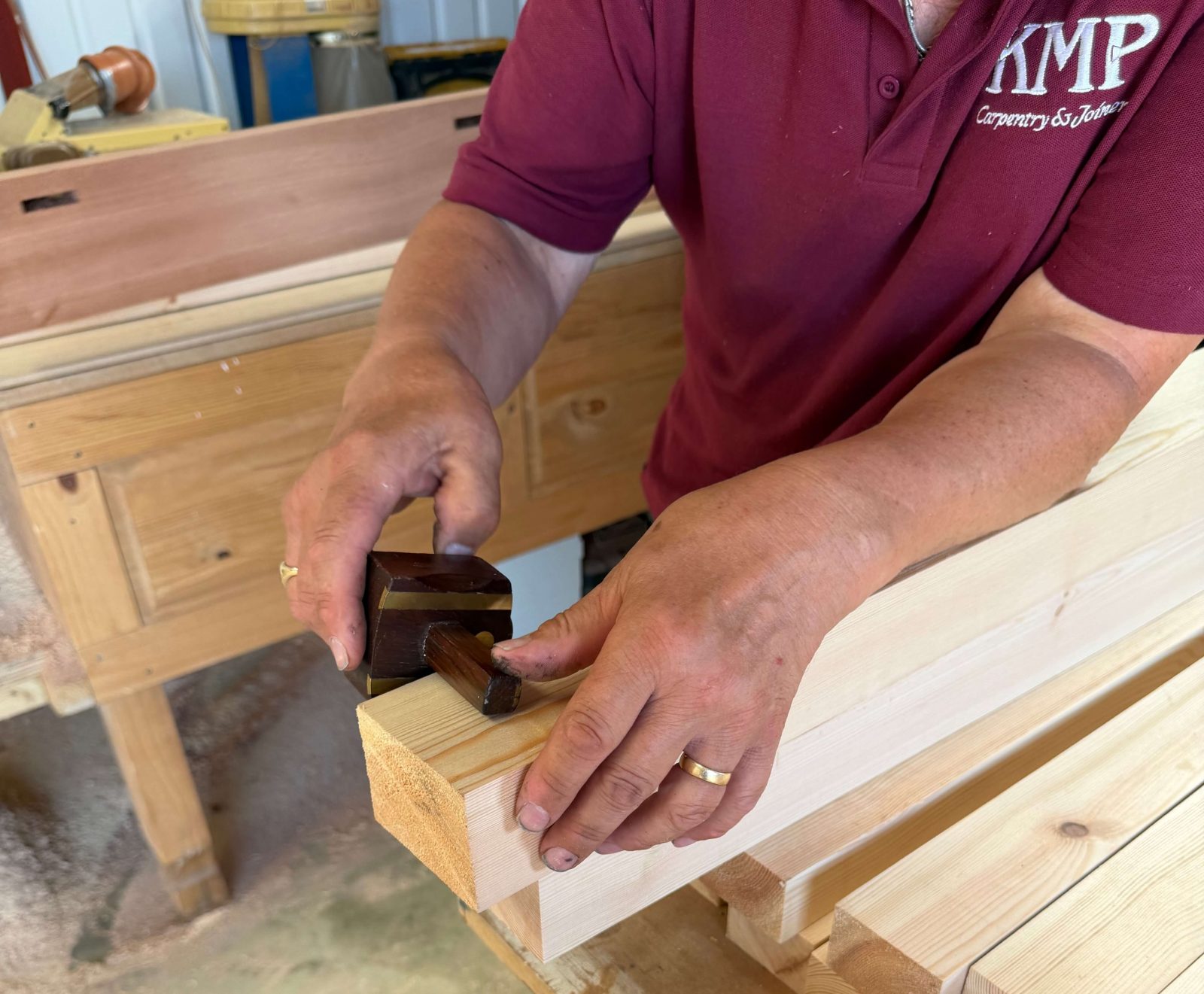
Modern homes look very different from those built even a generation ago. Open-plan layouts, integrated lighting and clean architectural lines are now common in contemporary design. However, while styles have evolved, the principles behind good joinery craftsmanship have not. In fact, traditional joinery in modern homes matters more than ever. As spaces become more complex and multi-functional, bespoke joinery needs to provide structure, durability and long-term reliability, not just appearance.
At KMP Carpentry & Joinery, we use traditional joinery techniques alongside modern tools and materials to create fitted joinery that works properly for everyday living. The same principles guide every project we undertake, from bespoke fitted furniture and media walls to traditional timber windows and heritage joinery. If you are looking for traditional timber windows, heritage repairs or bespoke joinery for a period property, explore our Traditional & Heritage Joinery service to learn more about our specialist approach.
What Is Traditional Joinery?
Traditional joinery is not about creating old-fashioned interiors. Instead, it refers to the methods, planning and craftsmanship used to build something properly from the start.
At its core, traditional joinery craftsmanship focuses on:
- Strong structural design
- Precise measuring and fitting
- Materials selected for durability
- Timber movement and long-term stability
- Quality finishes that age well over time
Rather than forcing materials into place, traditional woodworking techniques work with the natural behaviour of timber. As a result, the finished joinery is cohesive, durable and built to last. These same principles continue to shape everything from contemporary fitted furniture to traditional timber joinery for period properties.
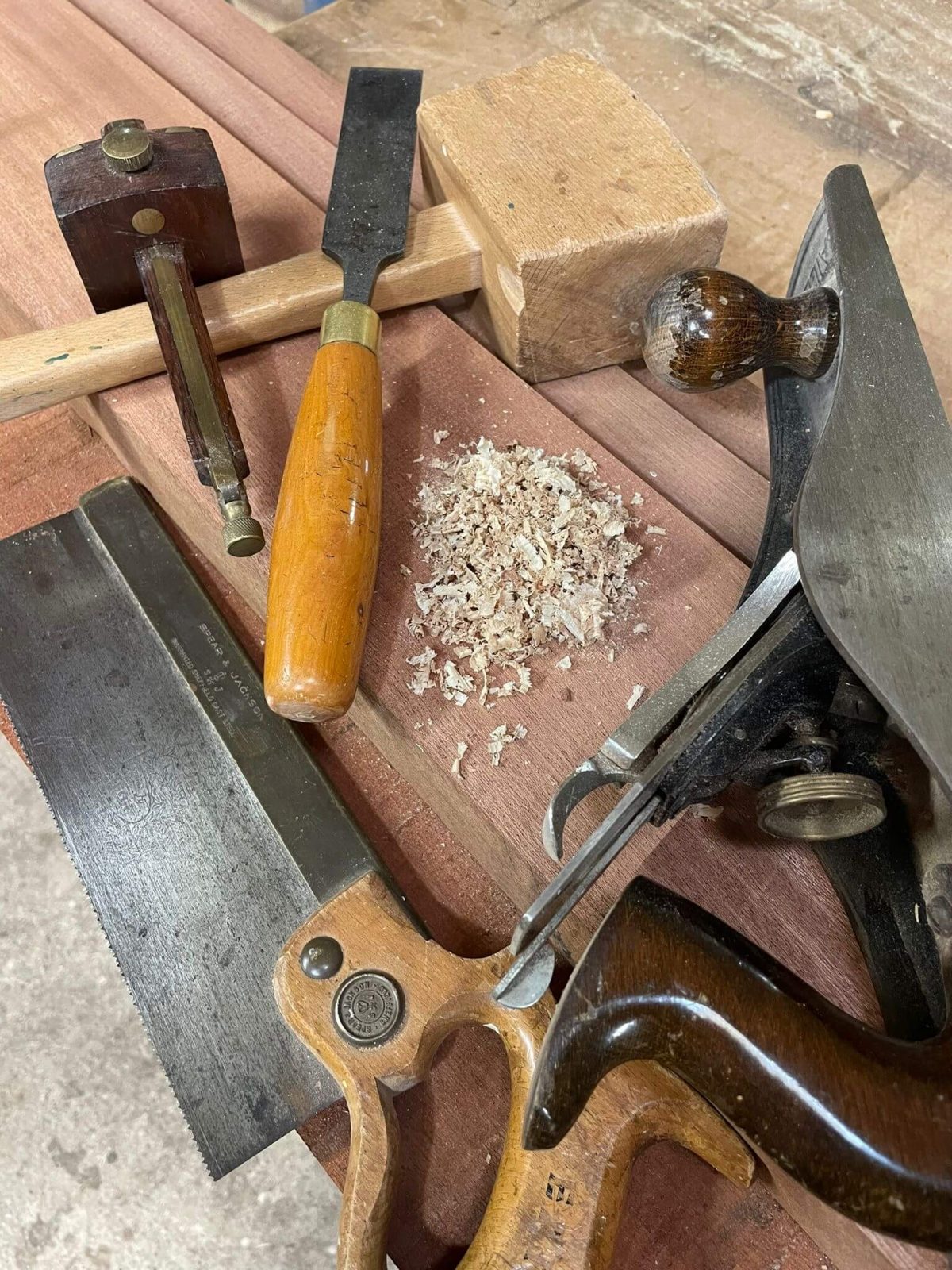
Why Traditional Joinery Still Matters in Modern Homes
Modern homes are expected to do more than ever before. Built-in storage, media walls, floating features and minimalist layouts all require careful planning behind the scenes.
For example, modern joinery often needs to:
- Carry structural weight
- Integrate lighting and electrical systems
- Handle heat movement
- Meet safety regulations
- Remain visually clean and uncluttered
This is where traditional joinery methods still matter. By considering structure, materials and installation sequencing from the beginning, it becomes possible to create bespoke joinery for modern homes that performs just as well as it looks.
Good craftsmanship is what allows contemporary joinery to remain reliable long after installation.
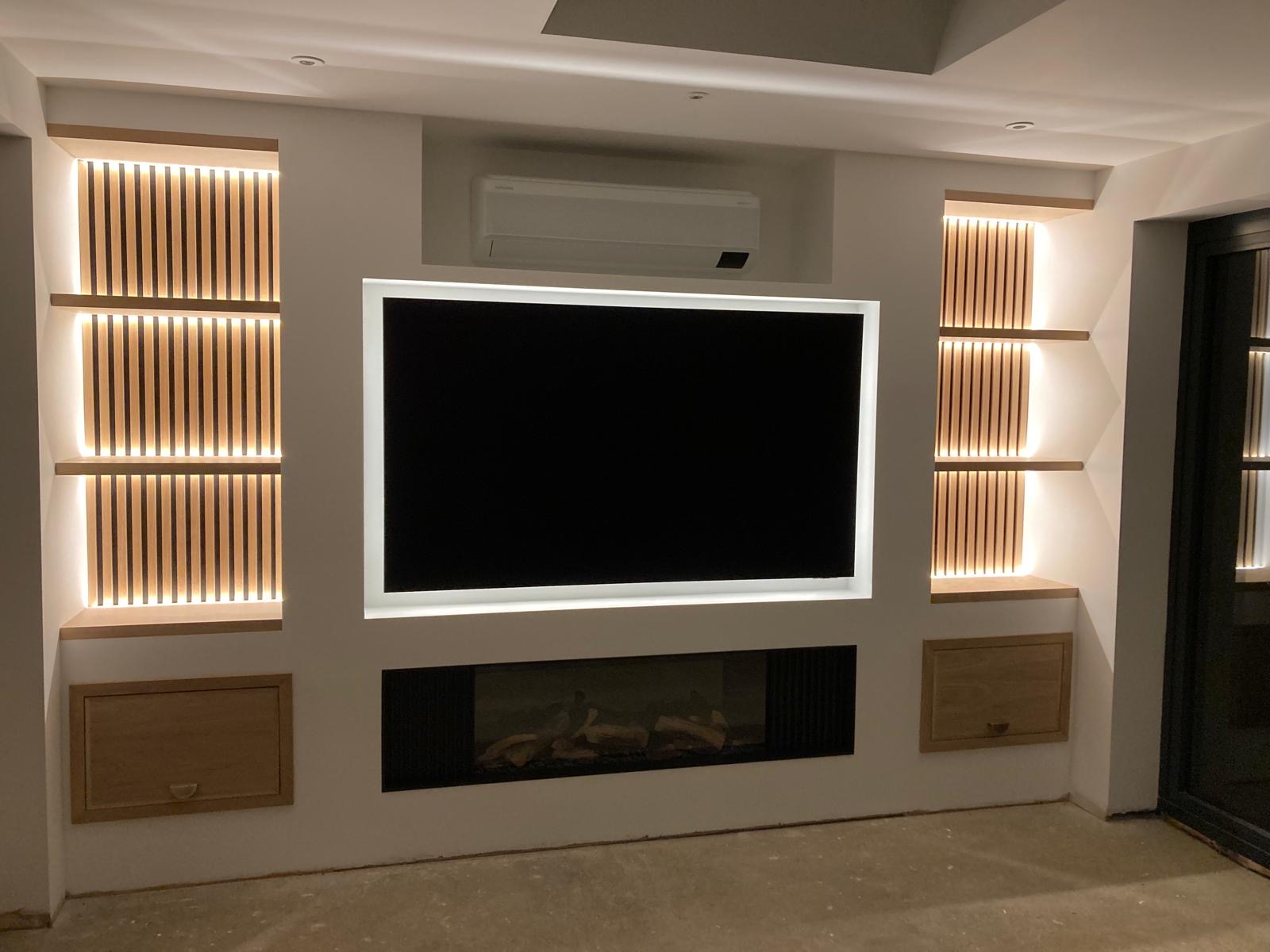
Traditional Joinery Behind a Modern Media Wall
Although media walls look sleek and contemporary, they still rely heavily on traditional joinery principles.
Once the structure was complete, we installed solid oak detailing, fitted storage and integrated lighting to create a modern finish. The final result looks effortless, but it is the thinking behind the scenes that makes the installation safe, durable and long-lasting.
In one recent media wall project, the installation sat close to a working fireplace. That meant structural planning and heat protection had to come first. We built the framework using fire-safe materials before any decorative finishes were added.
Oak Porches Built Using Traditional Techniques
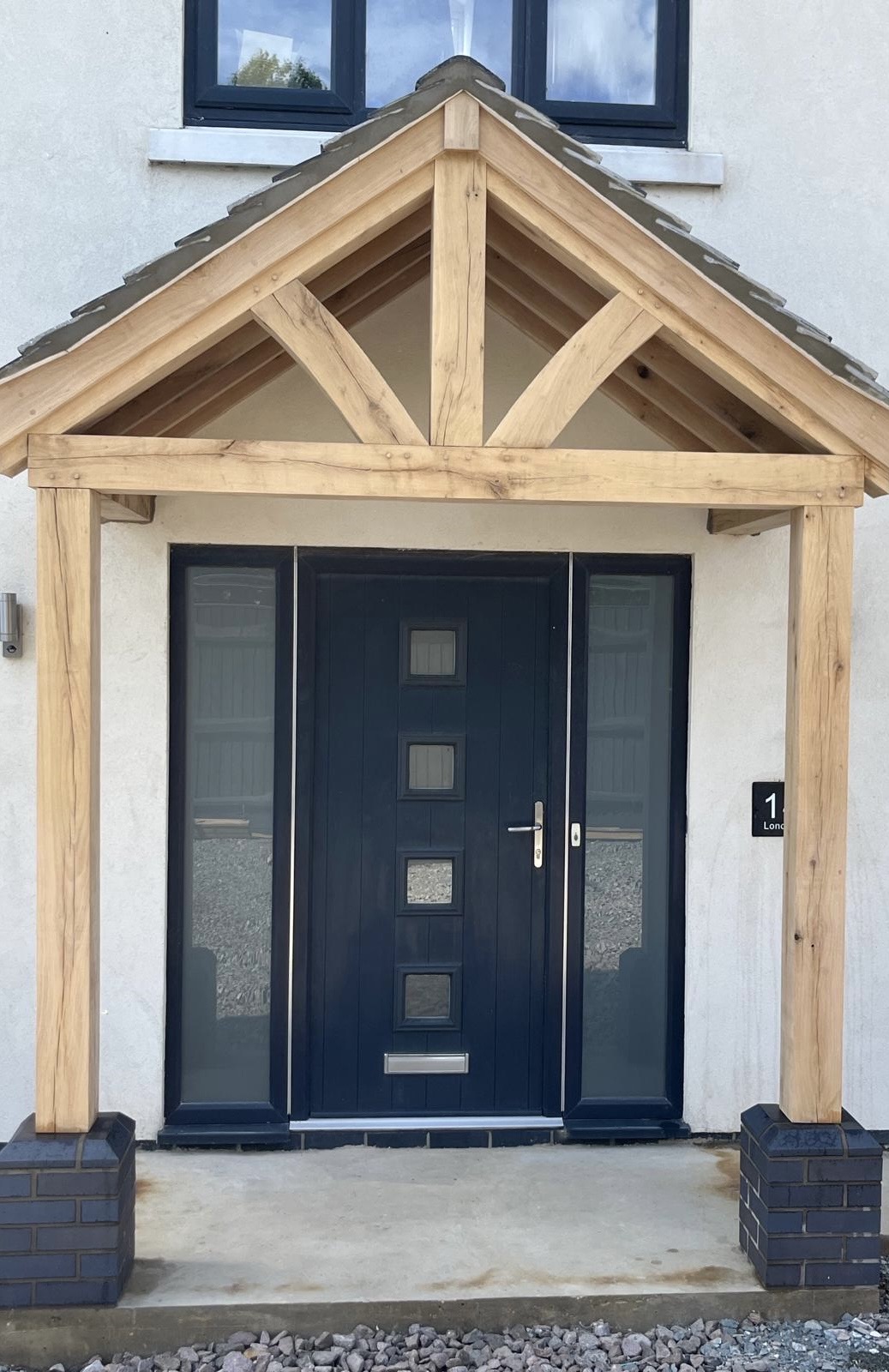
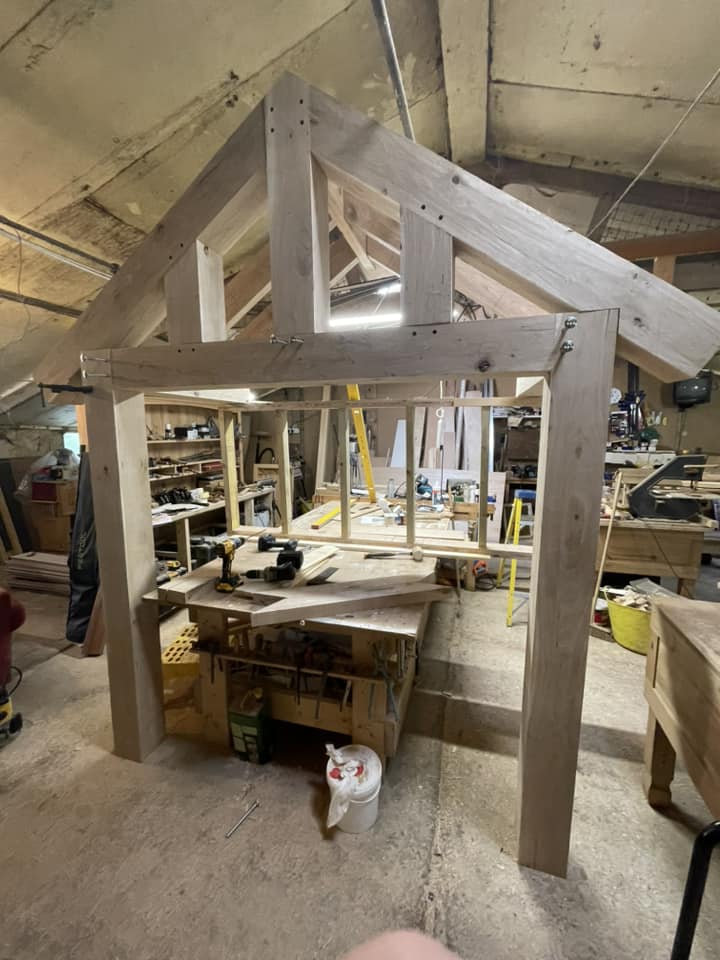
Traditional joinery techniques become especially important on structural timber projects, such as a handcrafted oak porch.
In our workshop, we cut and assemble green oak frames using classic mortise-and-tenon joints. This allows the timber to move naturally over time while maintaining structural strength. Each porch is carefully shaped to suit the property, helping the finished structure feel original to the home rather than added later.
By pre-assembling timber frames in the workshop before installation, we maintain better control over alignment, fit and finish throughout the project.
Precision Matters in Everyday Joinery
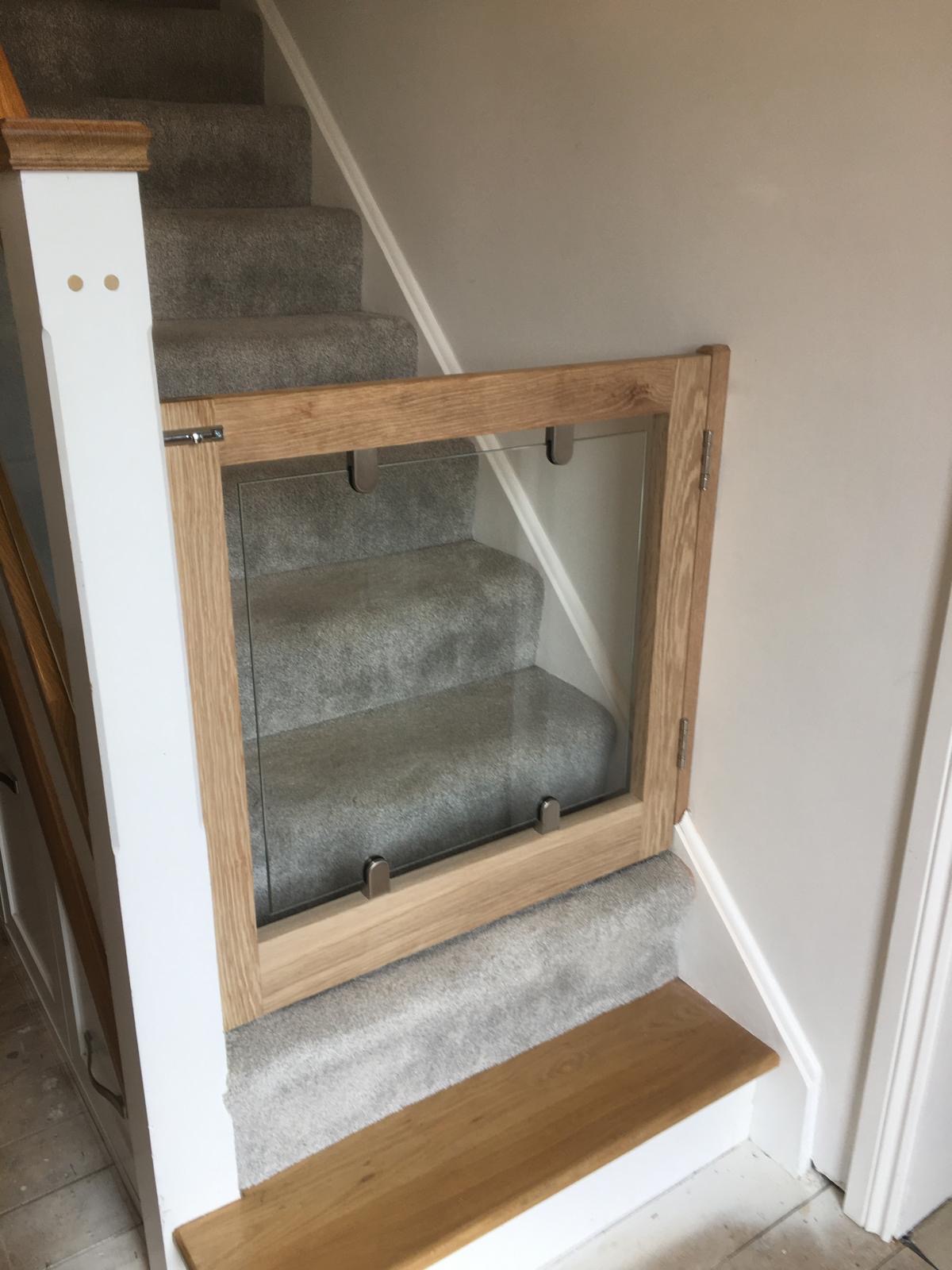
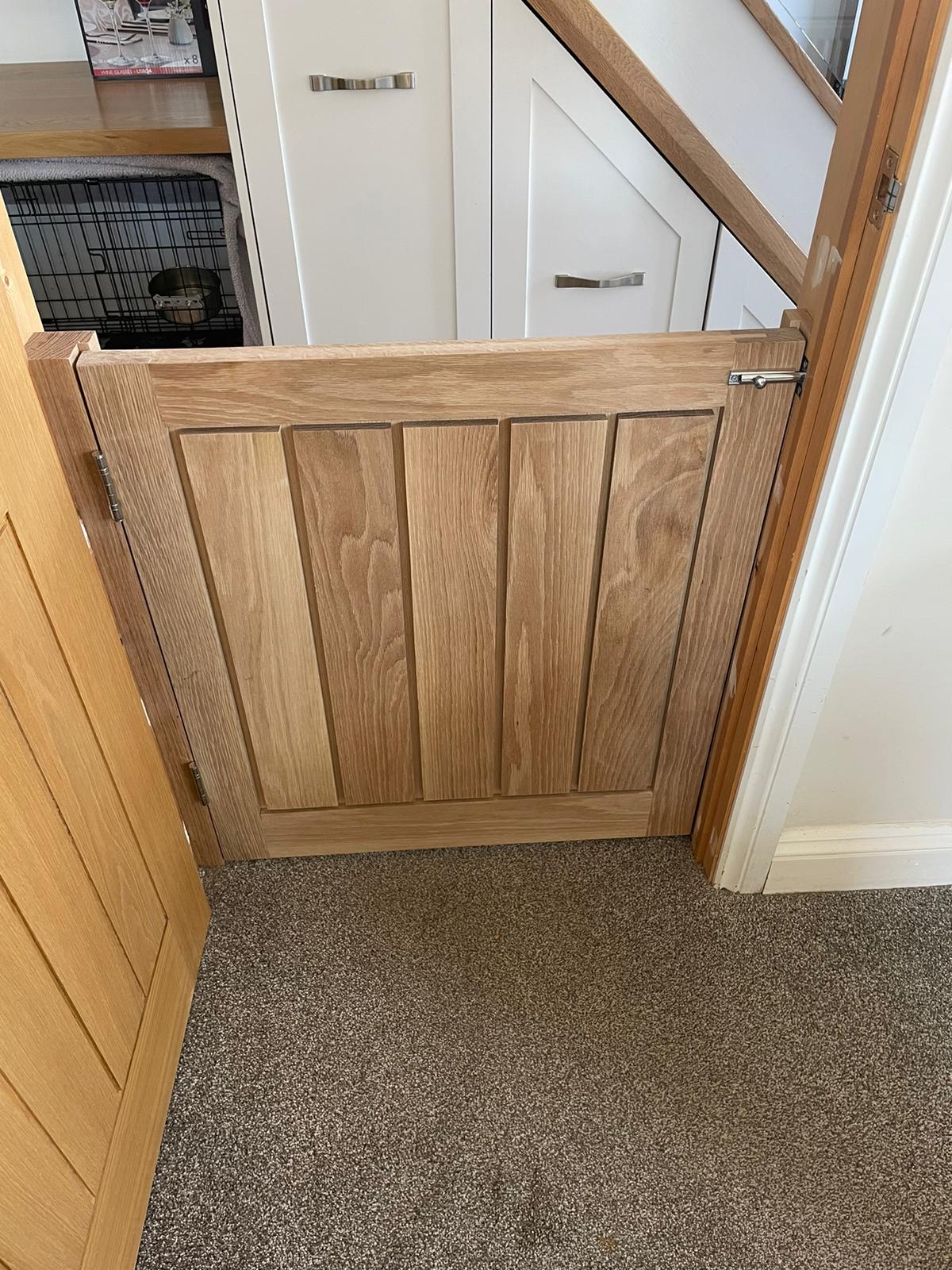
Not every joinery project needs to be large to benefit from traditional craftsmanship. For example, bespoke dog and stair gates may appear simple. However, when it needs to fit perfectly within an existing staircase opening and operate smoothly every day, precision becomes essential.
Using careful measuring, workshop-built joinery and traditional fitting techniques, we created a gate that feels fully integrated into the home. This attention to detail is often where quality joinery craftsmanship becomes most noticeable.
Why Traditional Joinery Lasts Longer
Traditional joinery methods usually take longer to complete. However, they also help reduce problems over time.
Because pieces are properly planned and fitted:
- Timber movement is better controlled
- Fixings remain secure
- Finishes wear more evenly
- Repairs are easier if ever needed
- The overall structure stays more stable
In the long run, this creates fitted joinery that feels stronger, performs better and lasts significantly longer.
Looking for Traditional and Heritage Joinery?
Traditional craftsmanship does not just improve modern homes. The same principles are used to create bespoke timber windows and doors, preserve period properties and manufacture high-quality joinery that is designed to last.
If you would like to learn more about our specialist approach, explore our Traditional & Heritage Joinery service. Or, if you are planning a project, get in touch to discuss how we can help.
Leave a Reply