


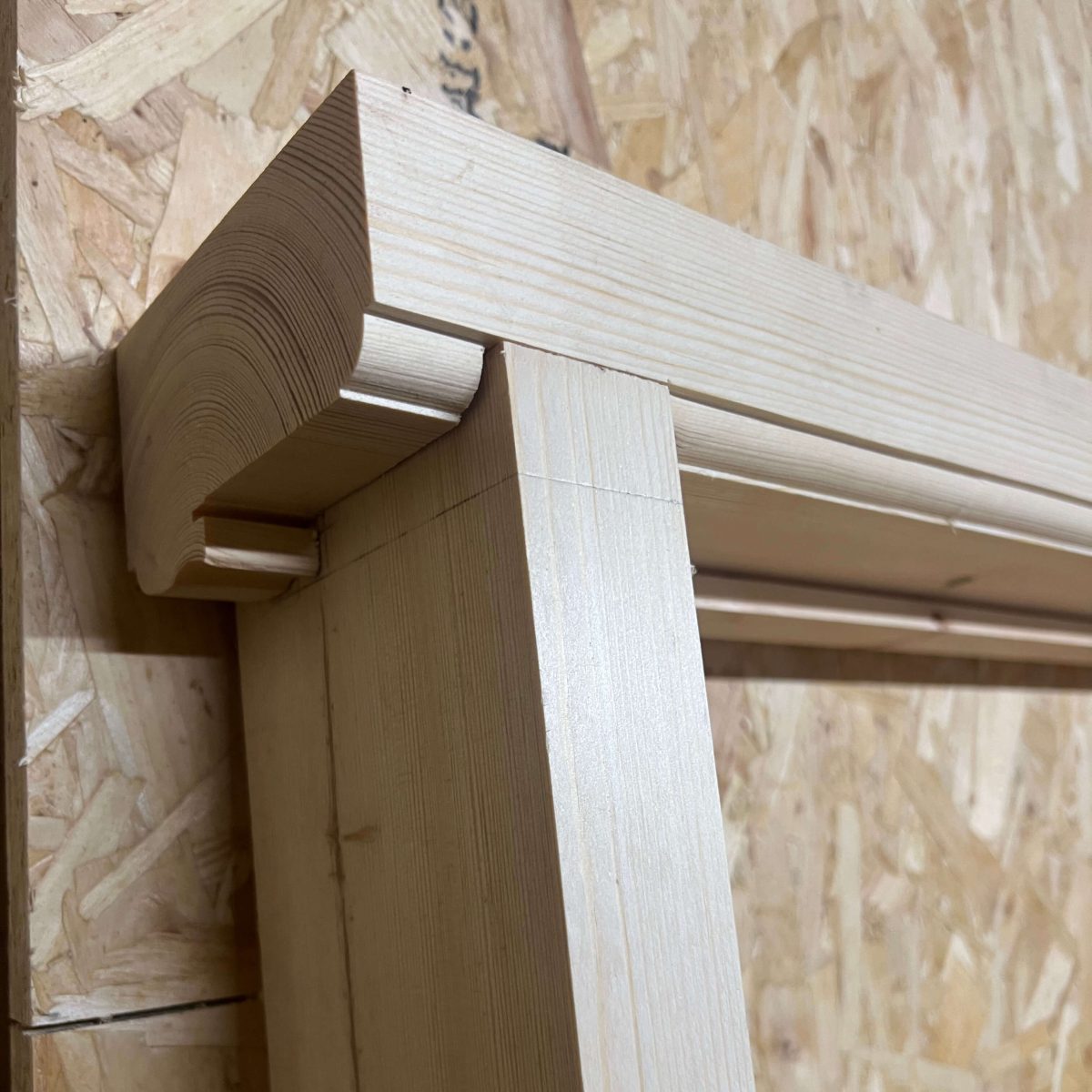
Timber windows can last for decades when you look after them properly. Unlike many modern alternatives, they can often be repaired instead of replaced. However, no window lasts forever. Over time, weather, age and previous repairs can all affect its condition. So, should you repair or replace timber windows? The answer depends on the extent of the damage, the condition of the timber and how well the window will perform in the future.
In this guide, we will explain when you can repair timber windows and when window replacement is the better option. We will also discuss the common signs to look for and when it is worth asking a professional for advice.
Why Timber Windows Are Worth Looking After
Timber has been used to build windows for centuries because it is strong, durable and repairable. With regular maintenance, quality timber windows can last well over 30 years. Better still, individual components can often be repaired instead of replacing the whole window.
Modern paints, timber treatments and glazing have also improved performance. As a result, today’s timber windows offer excellent durability and energy efficiency while preserving the character of older properties. That is especially important for period homes, where original windows often play a key part in the building’s appearance.
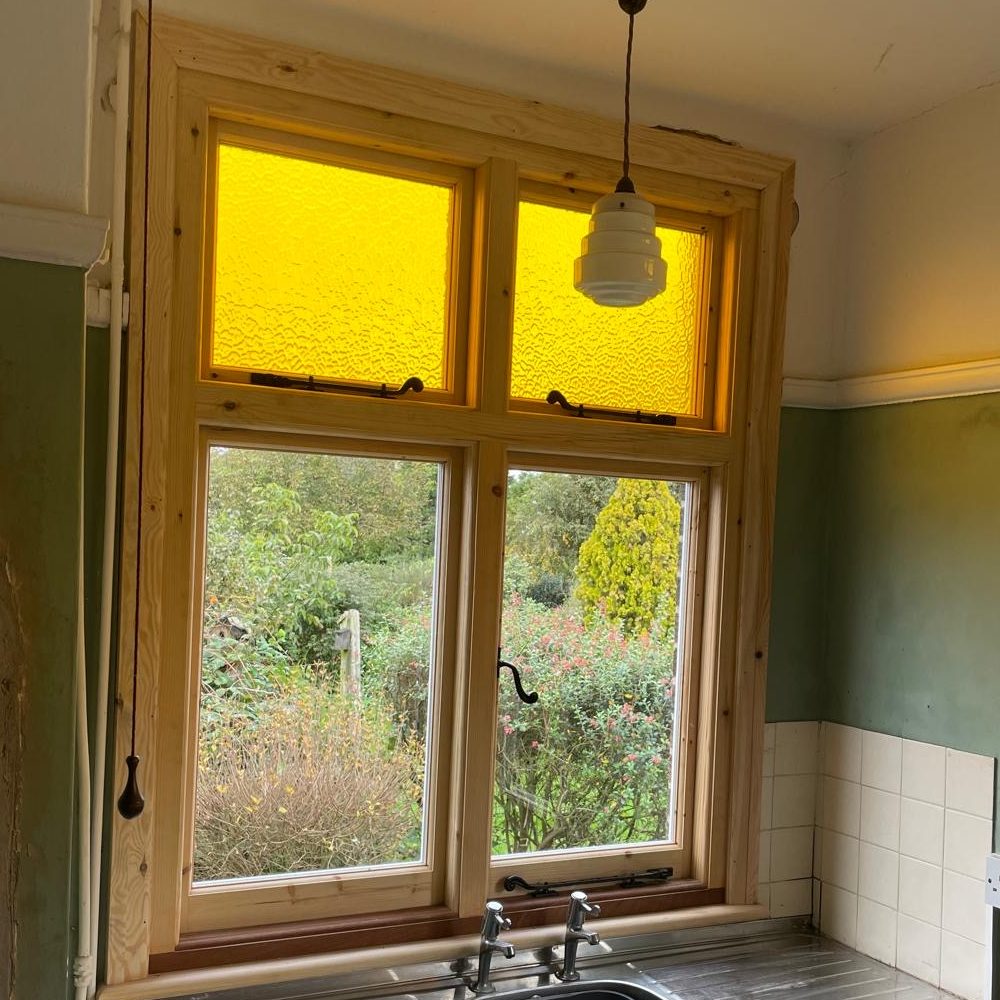
Signs Your Timber Windows Can Be Repaired
Peeling paint
Peeling paint does not always mean the timber underneath is damaged. However, it is a good opportunity to inspect the window more closely. Remove loose paint, sand the surface and check for early signs of decay before repainting.
Small areas of rot
Small areas of rot can often be repaired if they are caught early. By removing the affected timber and carrying out a suitable repair, you can often stop the damage from spreading.
Worn components
Windows rely on many moving parts. Often, these problems are straightforward to repair if you deal with them early.
Look out for:
- broken sash cords
- loose hinges
- damaged glazing putty
- rattling windows
- cracked glass
Windows that stick
Older windows sometimes stick because of paint build-up, damp weather or natural movement. Rather than forcing them open, identify the cause first. This helps avoid damaging the joints or surrounding timber.
Signs Your Timber Windows May Need Replacing
Many timber windows can be repaired. However, there comes a point where window replacement becomes the more practical and cost-effective option. The key is to look at the overall condition of the window rather than focusing on one issue in isolation.
Extensive Timber Rot
Small areas of decay can often be repaired. However, widespread rot is a different matter. If rot has spread through the frame, cill or structural joints, repairs may no longer provide a reliable long-term solution. In these cases, replacing the window often offers better value and performance.
Warped or Damaged Frames
Timber naturally expands and contracts as the weather changes. Over time, excessive movement can cause warped or damaged window frames. If a window no longer opens or closes properly, lets in draughts or allows water to penetrate, replacement may be the better option.
Repeated Repairs
Repairs can extend the life of a timber window for many years. However, if the same window has already been repaired several times and new problems continue to appear, it may be more economical to replace it. A new timber window can often provide greater reliability and lower maintenance over the long term.
Structural Damage
Cracked joints, loose frames or significant movement can all affect the strength of a timber window. Likewise, severe insect damage or decay around key structural areas may make repairs impractical. A professional timber window inspection can help determine whether the window remains structurally sound.
Poor Performance
Older windows do not always need replacing. However, if they no longer provide adequate weather protection, have persistent draughts or suffer from several issues at once, replacement may be worth considering. The decision should always take into account the overall condition of the joinery rather than its age alone.
Every window is different. We have seen original timber windows that continue to perform well after many decades, while some newer windows have required replacement because of poor installation or a lack of maintenance. That is why we always recommend assessing each window individually before deciding whether to repair or replace it.
Repair or Replace? Things to Consider
Every window is different. Before deciding whether to repair or replace timber windows, think about:
- How much sound timber remains?
- Have previous repairs been successful?
- Does the window still open and close properly?
- Is preserving the original joinery important?
- Will repairs provide many more years of reliable use?
Sometimes a repair is all that is needed. In other cases, replacing the window provides better long-term value. That is why it is worth assessing each window individually rather than making a decision based on age alone.
When to Seek Professional Advice
Routine timber window maintenance is something many homeowners can carry out themselves. However, deciding whether a window should be repaired or replaced often requires a closer inspection. Hidden decay, failed repairs and damaged joints are not always obvious. If you are unsure, ask an experienced joiner to inspect the windows before committing to any work.
At KMP, we will always assess the condition of your existing joinery first. Where repairs provide the best long-term solution, we will recommend them. However, if replacement offers better value, we will explain why and talk you through the options.
Real Project: Restoring the Original Character of a Home
One recent project perfectly demonstrates why replacement is sometimes the most appropriate solution.
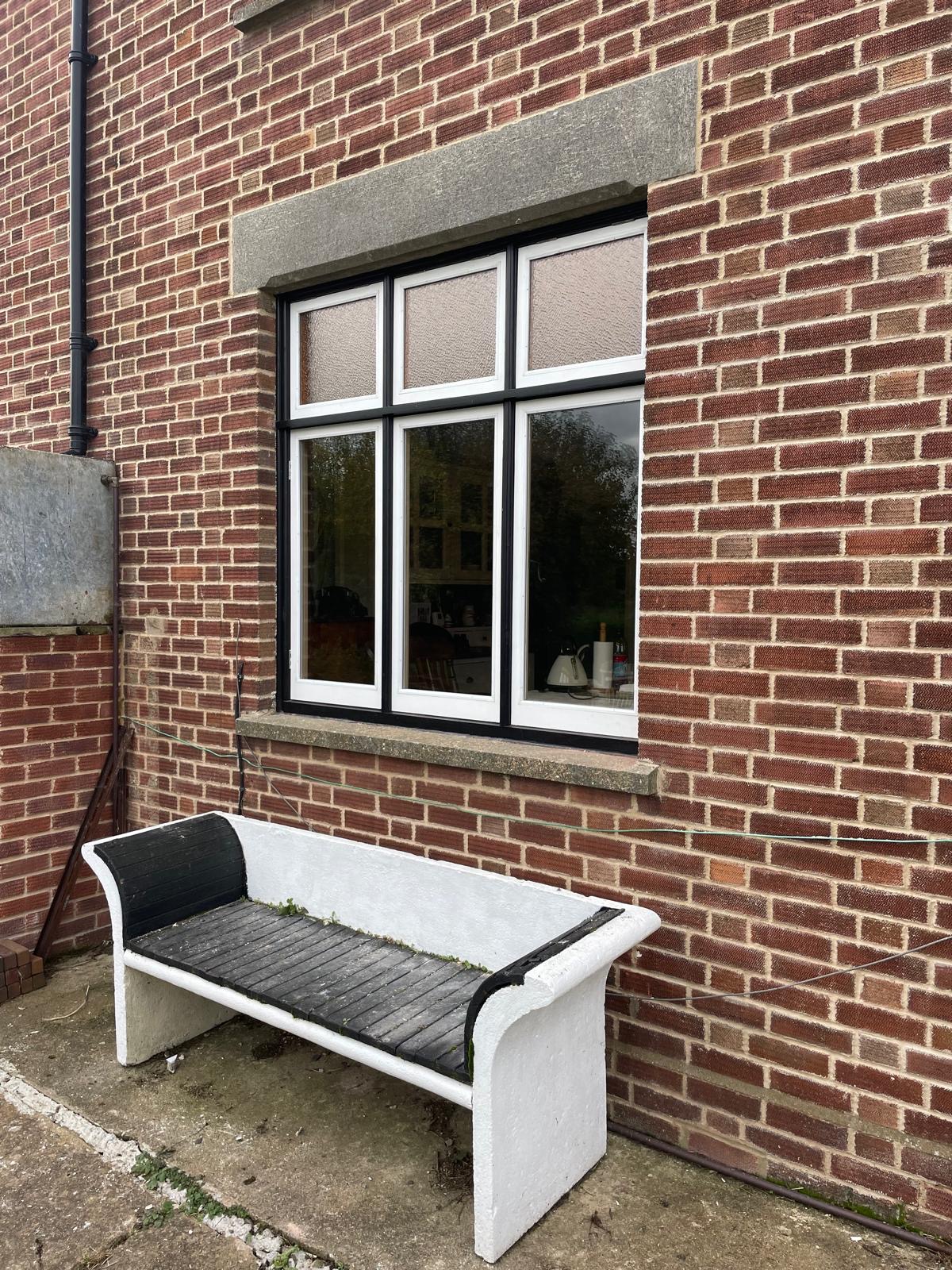
The owners of a late 1940s home in March had a mixture of original timber windows and later uPVC replacements. While preserving the original joinery would have been preferable, the remaining timber windows had deteriorated beyond economical repair. After assessing their condition, replacement offered the most practical and cost-effective long-term solution.
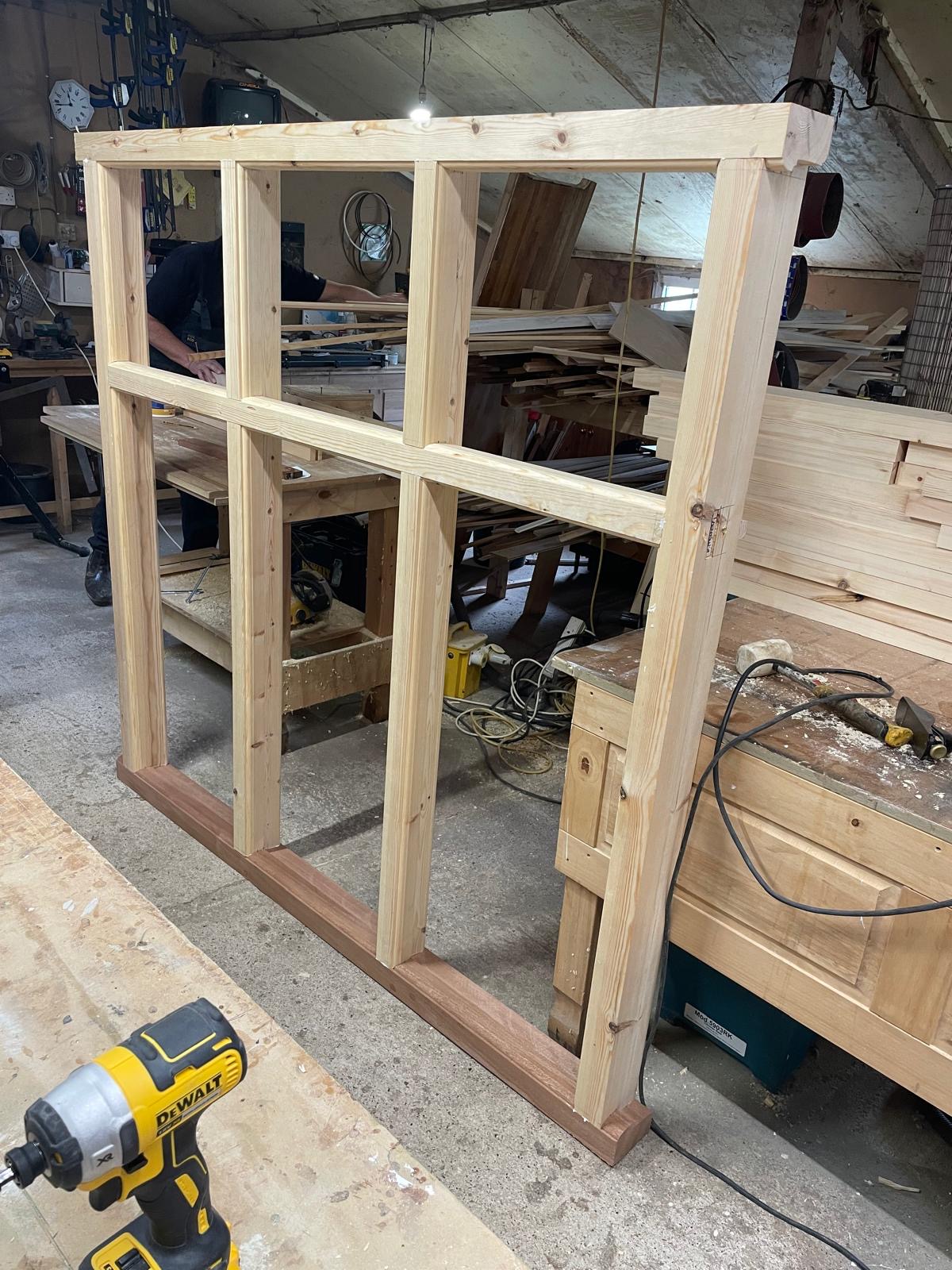
We built and installed sixteen bespoke traditional timber windows together with a handcrafted front and back door, all made to suit the property and restore its original character. Every window was measure and marked out by hand, then assembled using traditional mortise and tenon joints before being carefully installed behind the window reveals to recreate the traditional appearance of the house.
Read our Traditional Timber Windows & Doors case study to see the completed project.
Conclusion
No two timber windows are exactly alike. Some need little more than routine maintenance. Others benefit from carefully planned repairs. However, if decay is widespread or previous repairs have failed, replacement may offer the better long-term solution.
The most important step is understanding the condition of the windows before making a decision. Taking the time to assess the windows properly can save unnecessary expense while helping preserve the character of your property for years to come.
Need Advice on Your Timber Windows?
Not sure whether to repair or replace your timber windows? We can assess the condition of your existing joinery, explain your options and recommend the approach that is right for your property. Where repairs provide a reliable long-term solution, we will always discuss them first. However, if replacement offers better value, we will build new timber windows that complement the character of your home.
You might also find these guides helpful:
- Traditional Timber Windows & Doors – Learn more about our bespoke timber window and door service.
- Traditional & Heritage Joinery – Discover how we repair and restore traditional timber joinery.
- Traditional Timber Windows & Doors for a Home in March – See how we restored the character of a late 1940s property with sixteen bespoke timber windows and two handcrafted doors.
Leave a Reply